Your Complete Guide
From classical ballet to urban street styles, Latin partner dances and world dance traditions — London offers an extraordinary range of dance forms for every level.
London is one of the most diverse dance cities in the world. Professional companies, training academies and independent studios all contribute to a vibrant ecosystem where dancers of every level can explore different forms of expression.
Some styles have deep historical roots in theatre and classical performance, while others emerged from social dance cultures or modern urban movements. London's multicultural environment means that many global dance traditions also thrive in the city, creating an artistic landscape that blends influences from Europe, the Americas, Africa, Asia and the Pacific.
In this guide you will find an overview of the most recognised dance styles in London. Each category groups related dance traditions and highlights the forms that are commonly taught in dance schools and studios throughout the city.
Jump directly to the dance style category that interests you.
Classical & Modern
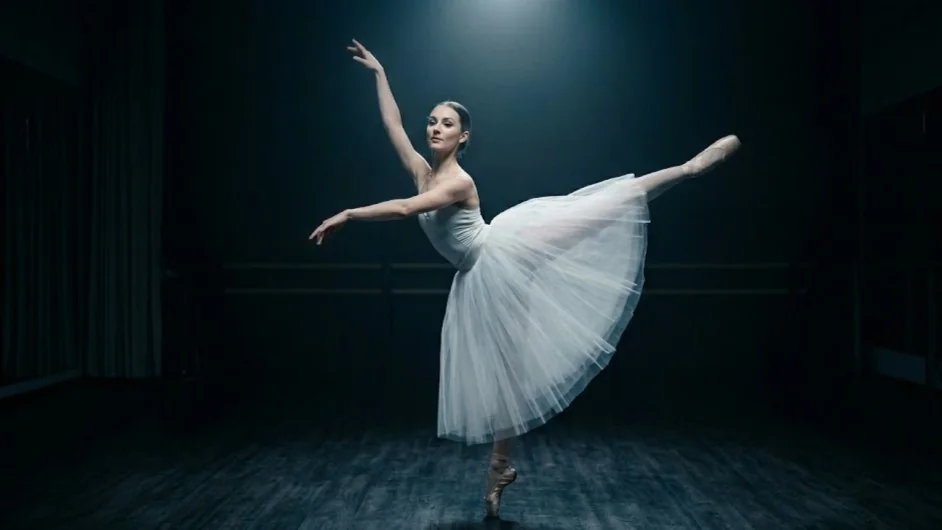
Classical ballet remains one of the most influential foundations of dance training in London. The city is home to several internationally recognised ballet institutions and companies, and many dancers begin their technical education through ballet-based programmes. Ballet emphasises discipline, posture and precise movement, forming the technical base for many other dance styles.
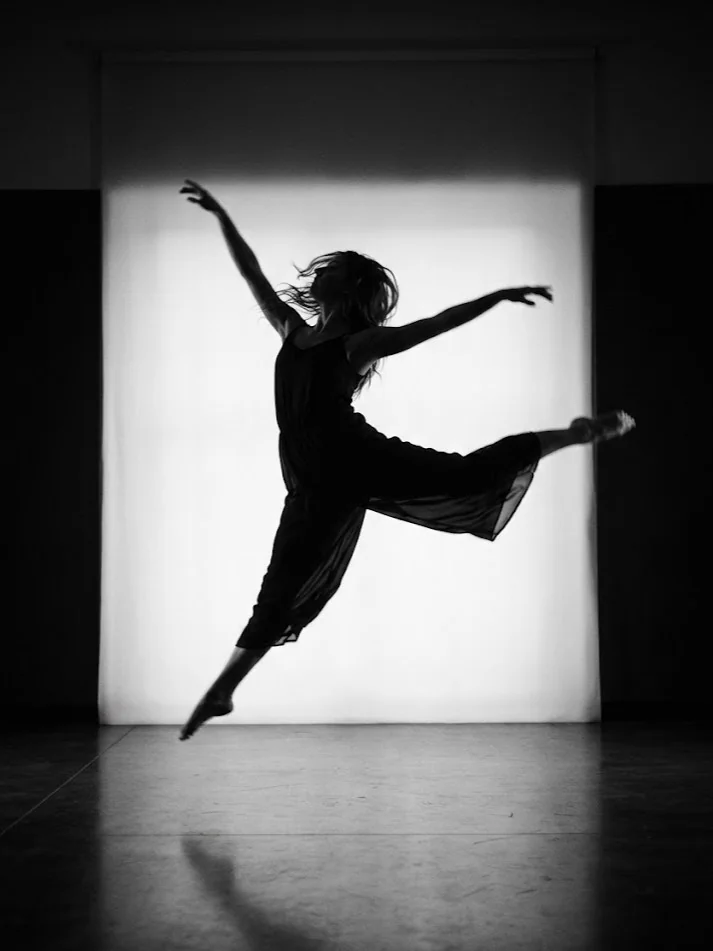
Alongside classical ballet, contemporary dance has become one of the most prominent performance styles in London's theatres and dance schools. Contemporary dance combines elements from ballet, modern dance and experimental choreography, allowing greater freedom of movement and creative interpretation.
| Dance Style | Description |
|---|---|
| Ballet | Classical dance tradition focused on technique and stage performance |
| Contemporary Dance | Expressive modern dance blending ballet and experimental movement |
Urban Culture
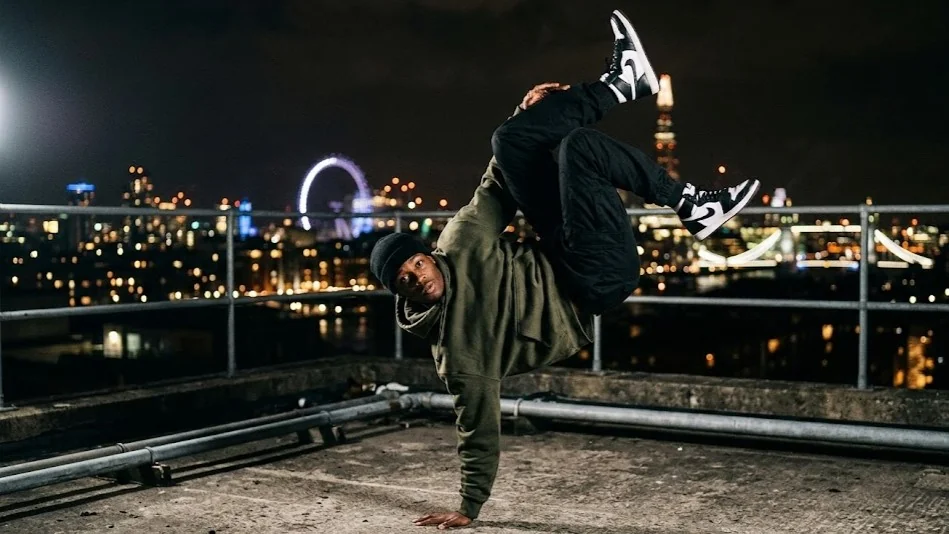
Urban dance styles have become extremely popular in London, particularly among younger dancers and within the commercial dance industry. These styles originated in street culture and hip hop communities, but many have evolved into sophisticated performance disciplines taught in studios across the city.
Hip hop remains the most widely recognised style within this category, though it has inspired many related movements including house dance, waacking and voguing. London's urban dance scene is particularly active, with regular workshops, battles and performances across the city.
More recently, global pop movements like K-Pop and the heels dance scene have grown significantly, adding new dimensions to London's already rich urban dance culture.
| Dance Style | Description |
|---|---|
| Hip Hop | Popular urban dance style rooted in hip hop culture and music |
| Street Dance | Broad category of modern urban dance styles performed outside formal settings |
| Breakdance | Athletic hip hop style featuring acrobatic floor moves and power moves |
| Commercial Dance | Performance-focused choreography popular in music videos and stage shows |
| Heels Dance | Expressive choreography performed in high heels with strong stage presence |
| House Dance | Fast footwork and fluid movement style inspired by house music culture |
| Dancehall | High-energy Jamaican street style with expressive hip and body isolations |
| Waacking | Expressive club dance known for dramatic arm movements and posing |
| Voguing | Stylised performance dance inspired by fashion poses and ballroom culture |
| Reggaeton Dance | Latin urban dance style driven by reggaeton music and club culture |
| K-Pop Dance | Precision group choreography inspired by Korean pop music and idol culture |
Elegance & Tradition
Ballroom dancing has a long tradition in the United Kingdom and continues to be widely practiced in London. These partner dances follow structured step patterns and are performed with a strong emphasis on posture, frame and musical interpretation. Many styles are featured in international competitions and popular televised programmes.
The Latin styles — from the romantic rumba to the theatrical paso doble — form the International Latin programme alongside ballroom. Social Latin dances including salsa, bachata and kizomba have thriving communities of their own in London's nightlife and dance school scene. The swing dance family, including Lindy Hop, West Coast Swing and Balboa, rounds out one of London's richest partner dance landscapes.
| Dance Style | Description |
|---|---|
| Ballroom Dance | Elegant structured partner dances performed in formal and competitive settings |
| Waltz | Classic flowing ballroom dance in 3/4 time with sweeping rotary movement |
| Viennese Waltz | The oldest and fastest ballroom dance — continuous turns at breathtaking speed |
| Foxtrot | Smooth, gliding ballroom standard with a long and musical history |
| Quickstep | Fast, lively ballroom standard with chassés, hops and running steps |
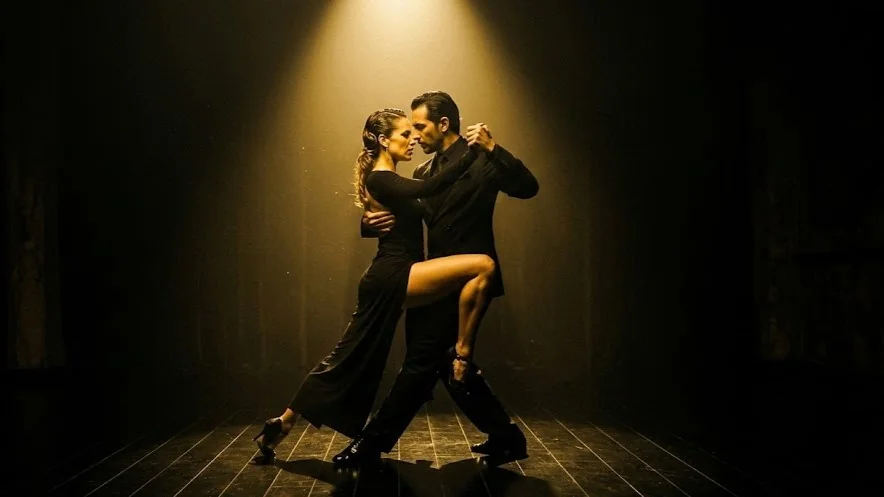
| Tango | Dramatic partner dance known for intense connection and musical interpretation |
| Rumba | Slow, romantic International Latin dance emphasising hip movement and connection |
| Cha Cha | Fun, syncopated Cuban Latin dance with the signature cha-cha-cha rhythm |
| Paso Doble | Theatrical Spanish-themed Latin dance inspired by the drama of the bullfight |
| Samba (Ballroom) | Energetic International Latin dance with characteristic bouncing rhythm |
| Jive | Fast, energetic International Latin dance with strong swing and rock influences |
| Salsa | One of the most popular Latin partner dances worldwide |
| Bachata | Romantic partner dance originating from the Dominican Republic |
| Kizomba | Smooth, close-hold partner dance with roots in Angolan music traditions |
| Merengue | Simple rhythmic Latin dance with lively hip movements, ideal for beginners |
| Latin Dance | Broad category covering multiple Latin partner dance styles |
| Ceroc / Modern Jive | The most accessible partner dance in the UK — no fixed footwork, immediate fun |
| West Coast Swing | Smooth, slotted swing dance that adapts to any music from blues to pop |
| Rock and Roll Dance | Lively acrobatic partner dance inspired by rock and early pop music |
| Swing Dance | Vintage partner dance tradition associated with jazz and swing music |
| Lindy Hop | Classic improvisational swing dance style originating in Harlem |
| Balboa | Intimate close-hold swing dance born in 1920s Southern California |
| Blues Dance | Improvisational partner dance deeply rooted in African American blues tradition |
| Charleston | Energetic 1920s jazz-era dance with characteristic kicking footwork |
Brazil & Afro-Latin
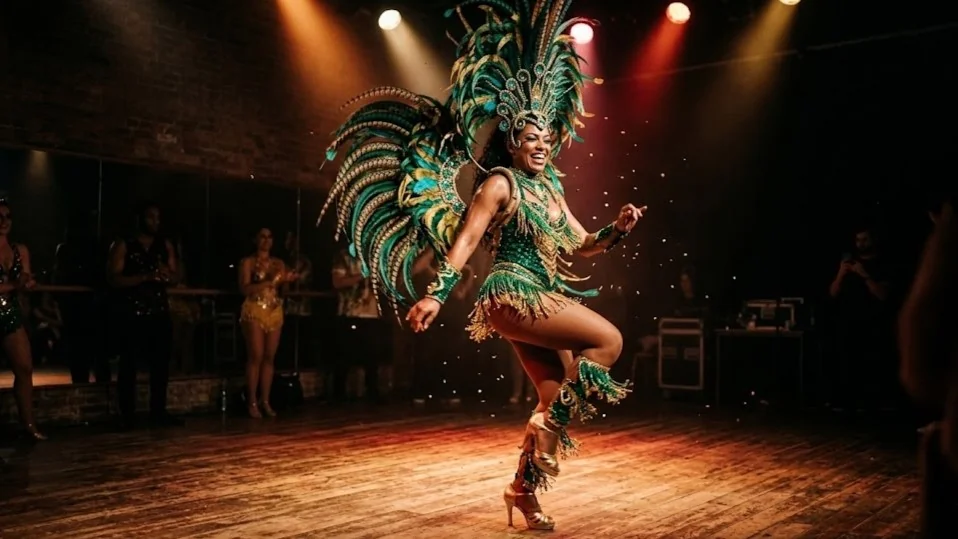
London is home to vibrant communities from Brazil, West Africa and across Latin America, all of whom have brought their dance traditions to the city. Brazilian Zouk, Forró and the various Samba traditions have found enthusiastic audiences, while Afrobeats and Afro Fusion have become some of the fastest-growing dance categories in London's studios.
Argentine Tango — distinct from ballroom tango — has a deeply respected community in London with regular milongas and visiting teachers from Buenos Aires. Cumbia brings Colombian and Latin American flavour to the city's thriving Latin scene.
| Dance Style | Description |
|---|---|
| Afrobeats | Contemporary West African pop dance inspired by Burna Boy, Wizkid and Davido |
| Afro Fusion / Afro Dance | Broad category of African-inspired dance traditions and contemporary Afro movement |
| Argentine Tango | Improvised close-embrace partner dance from the streets of Buenos Aires |
| Brazilian Zouk | Flowing, wave-like partner dance with iconic head movements and close connection |
| Forró | Joyful, intimate Brazilian partner dance from the Northeast of Brazil |
| Samba Brasileiro (Carnaval) | Brazilian carnival samba — vibrant, energetic and rooted in African rhythm |
| Samba de Gafieira | Sophisticated Brazilian ballroom partner dance from Rio's dance halls |
| Cumbia | Infectious Colombian partner dance with African and indigenous roots |
Global Traditions
London's multicultural population has helped many global dance traditions flourish in the city. These styles often carry strong cultural identity and are taught within communities that celebrate their heritage through movement.
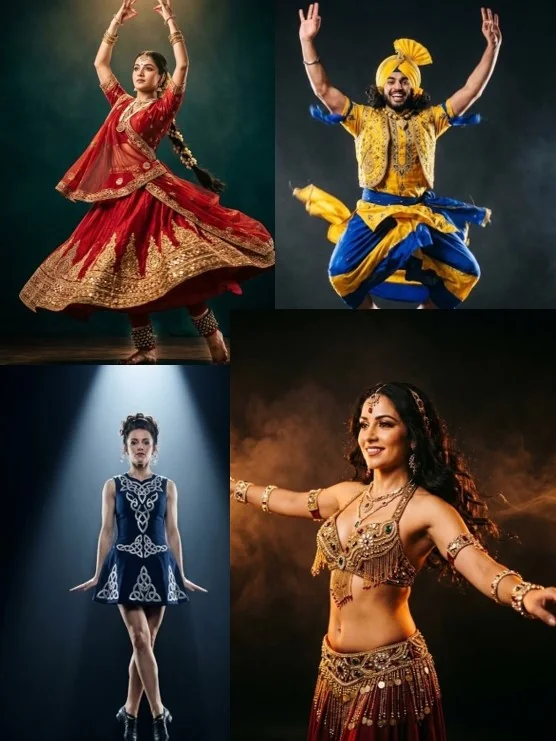
From the passionate footwork of flamenco to the ancient devotion of Bharatanatyam, the storytelling of Kathak, the exuberance of Bhangra, the theatrical spectacle of Bollywood, and the expressive traditions of Belly Dance, Hula and Irish Dance — London provides one of the richest environments in the world for exploring global dance cultures.
| Dance Style | Description |
|---|---|
| Bharatanatyam | Ancient classical South Indian dance combining footwork, gesture and devotion |
| Flamenco | Passionate Spanish dance combining powerful footwork, song and guitar |
| Belly Dance | Middle Eastern dance style known for fluid torso and hip movements |
| Bollywood Dance | Vibrant, expressive dance style inspired by Indian cinema and music |
| Bhangra | Energetic Punjabi folk dance style with vibrant music and movement |
| Kathak | Classical North Indian storytelling dance with intricate footwork and spins |
| Irish Dance | Traditional Irish step dance known for fast, precise and expressive footwork |
| Ceilidh | Joyful Scottish and Irish communal social dance — no experience needed |
| Scottish Country Dance | Elegant traditional group dance performed to Scottish reels and jigs |
| African Traditional Dance | Diverse ceremonial and social dance traditions from across the African continent |
| Hula | Traditional Hawaiian dance of storytelling through gesture and hip movement |
| Ori Tahiti | Vibrant Polynesian dance famous for its fast hip vibrations and cultural depth |
| Capoeira | Afro-Brazilian martial art, acrobatics, dance and music tradition in one |
Stage & Theatre
London's world-famous West End and theatrical tradition make it one of the great cities for performance-based dance training. Musical theatre dance, jazz and tap are foundational disciplines for anyone pursuing a career in stage performance, and are also widely enjoyed by recreational students who love the energy and expressiveness of theatrical styles.
Jazz dance forms the technical backbone of much commercial and theatrical choreography. Tap dance turns the dancer into a percussionist. Musical theatre brings all of these elements together with acting, character and song.
| Dance Style | Description |
|---|---|
| Musical Theatre Dance | Stage choreography combining jazz technique, acting and theatrical performance |
| Jazz Dance | Energetic theatrical style widely used in musical theatre and commercial work |
| Tap Dance | Rhythmic dance style using percussive footwork as musical expression |
Movement & Fitness
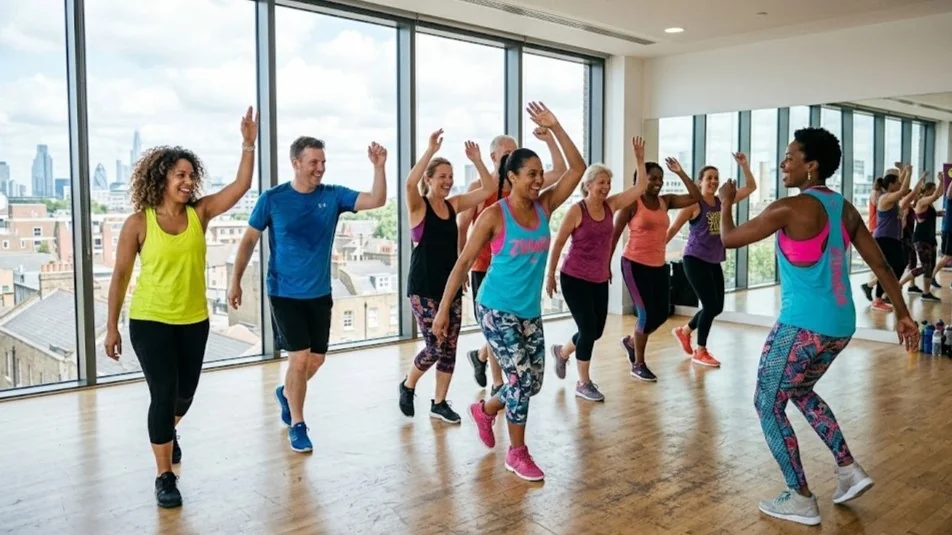
Dance-based fitness programmes combine the cardiovascular and physical benefits of exercise with the joy and creativity of dance movement. These formats are designed to be accessible and fun rather than technically demanding, making them a popular first step into dance for many Londoners.
Zumba is the most widely practiced format in London, available at gyms, community centres and dance studios across all thirty-two boroughs.
| Dance Style | Description |
|---|---|
| Zumba | Dance fitness programme inspired by Latin rhythms, accessible for all levels |
Strength & Spectacle
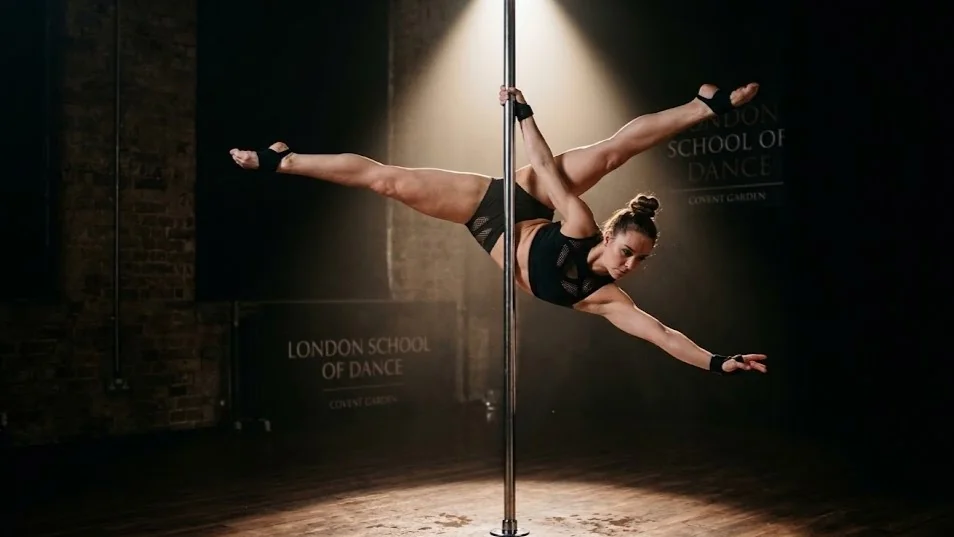
Some dance styles combine extraordinary physical demands with artistic expression in ways that cross the boundary between dance and other disciplines. These forms attract dancers who want a challenge beyond conventional techniques — blending athletics, artistry and performance in unique ways.
Aerial dance and pole dance demand exceptional upper body strength and spatial courage. Acro dance fuses classical technique with precision acrobatics. Burlesque celebrates theatrical performance and personal empowerment.
| Dance Style | Description |
|---|---|
| Pole Dance | Athletic dance style combining strength, flexibility and artistic expression |
| Aerial Dance | Dance combined with suspended acrobatics on silks, hoops and aerial apparatus |
| Burlesque | Theatrical performance style with cabaret influence and individual expression |
| Acro Dance | Acrobatic style blending classical dance technique with precision stunts |
Body & Awareness
Somatic and movement-based practices approach dance from a perspective of body awareness, internal experience and therapeutic or meditative intention. These disciplines are less concerned with external form than with the inner quality of movement — how it feels, what it communicates and how it connects the dancer with their own body and environment.
London has a growing community of teachers and practitioners working in somatic dance, contact improvisation and related movement practices. Dedicated pages for styles within this category will be added as our coverage expands.
Next Step
Explore our curated guide to London's best dance schools and studios — filtered by style, location and level.
Browse Dance Schools in London