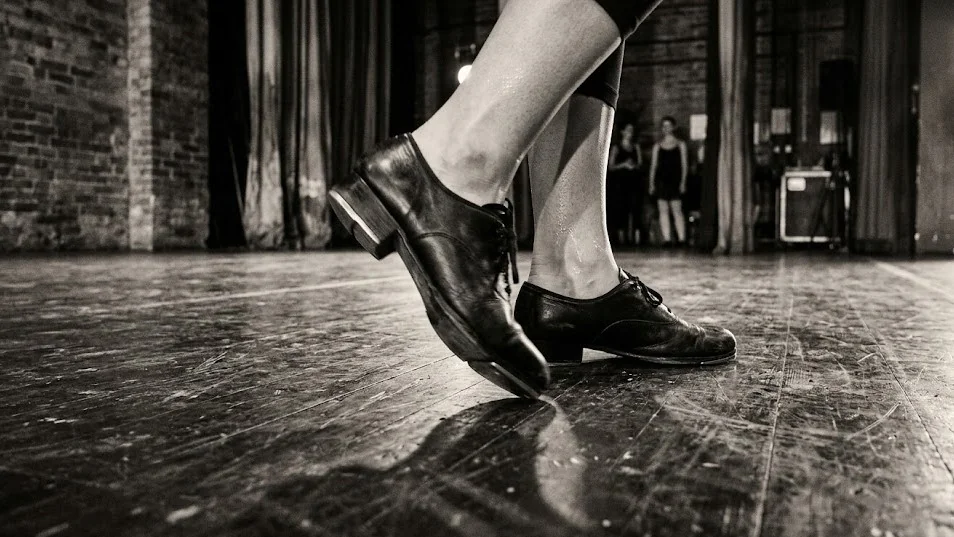
Rhythmic Percussion
Tap Dance
Tap dance is one of London's most beloved theatrical styles — a uniquely rhythmic art form where the dancer's feet become a percussion instrument in dialogue with the music.
Tap dance is one of London's most beloved theatrical styles — a uniquely rhythmic art form where the dancer's feet become a percussion instrument in dialogue with the music.
Tap dance is an American art form developed through the fusion of West African rhythmic stepping traditions and Irish and Scottish clog and step dancing in the nineteenth century — recent research points to mixed urban neighbourhoods like New York's Five Points as much as Southern plantations as the melting pot where this fusion happened. Dancer William Henry Lane, known as "Master Juba", is widely credited as the "father of tap" for blending Black vernacular dance with Irish jigs and clogging; the modern metal tap plate, fixed to the heel and toe of the shoe, emerged around the 1920s.
The style encompasses Broadway tap — theatrical, energetic and story-driven, closely tied to ballet and jazz — as well as rhythm tap, which prioritises musicality and improvisation, with practitioners considering themselves part of the jazz tradition more than the theatrical one.
Tap has a rich tradition in musical theatre and film, with iconic performers from Fred Astaire and Gene Kelly to Gregory Hines and Savion Glover shaping its evolution. In London specifically, tap is almost never taught as a standalone specialty — it lives inside broader ballet and musical theatre training programmes, sitting alongside jazz and classical technique rather than as its own dedicated school.
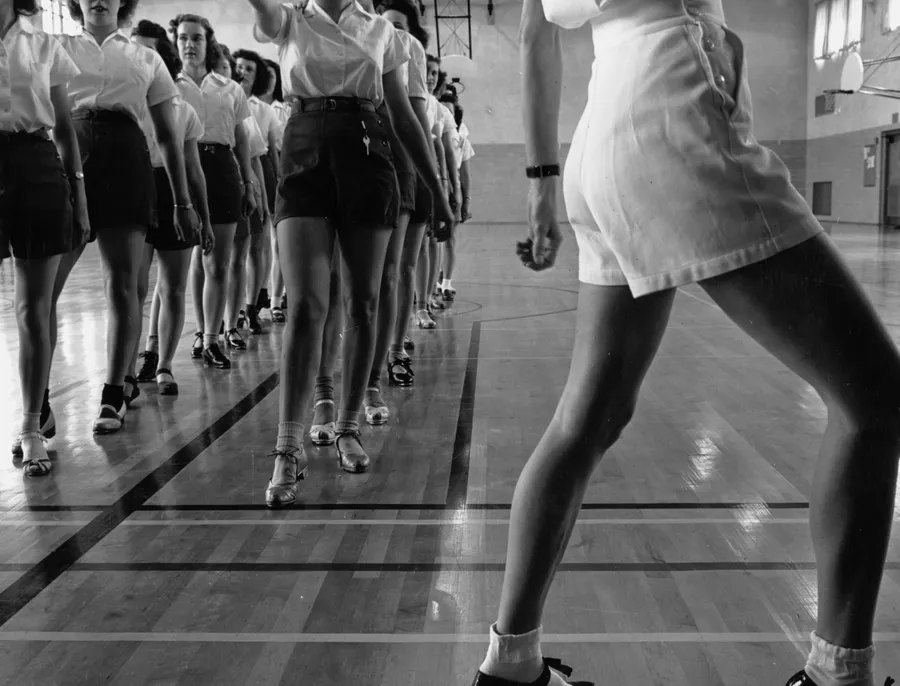
Tap and jazz dance are both foundational to musical theatre training in London and are frequently taught by the same schools side by side, but they train fundamentally different things.
Use the map below to find studios near you, or filter by area and audience to jump straight to our curated list of the best-rated Tap Dance studios in London further down the page.
 Trial Available
Tap Dance, Ballet, Jazz & 8 more styles
Tap Dance
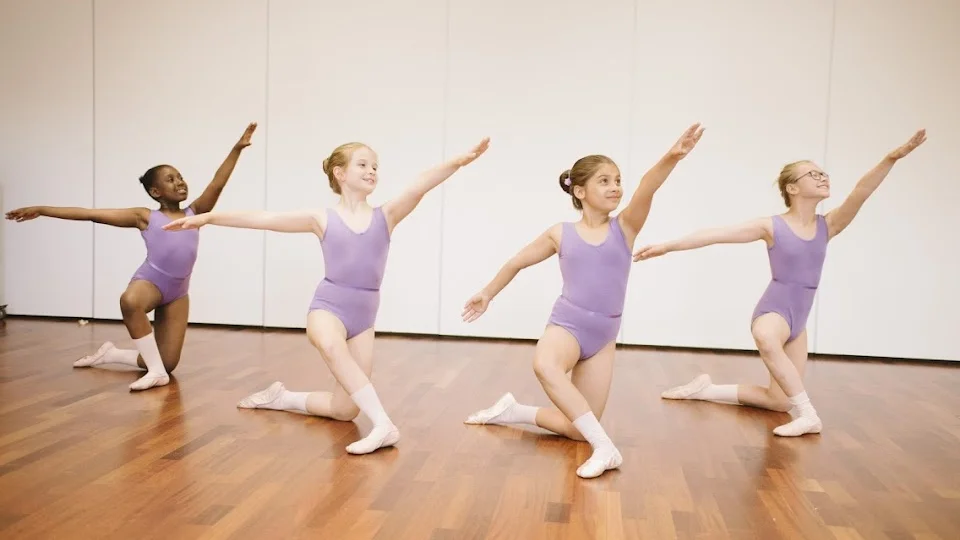 Trial Available
Tap Dance, Ballet, Jazz & 1 more style
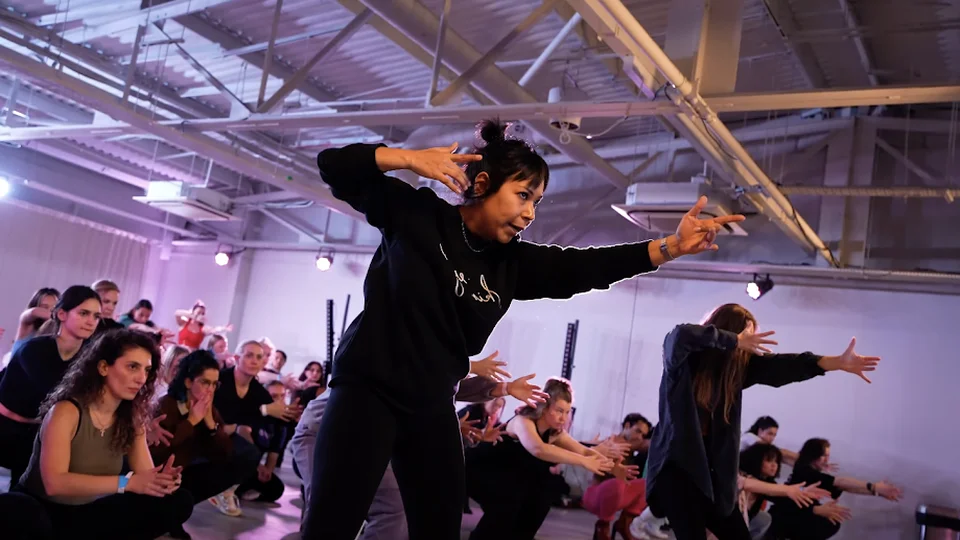
Tap Dance, Hip Hop, K Pop & 18 more styles
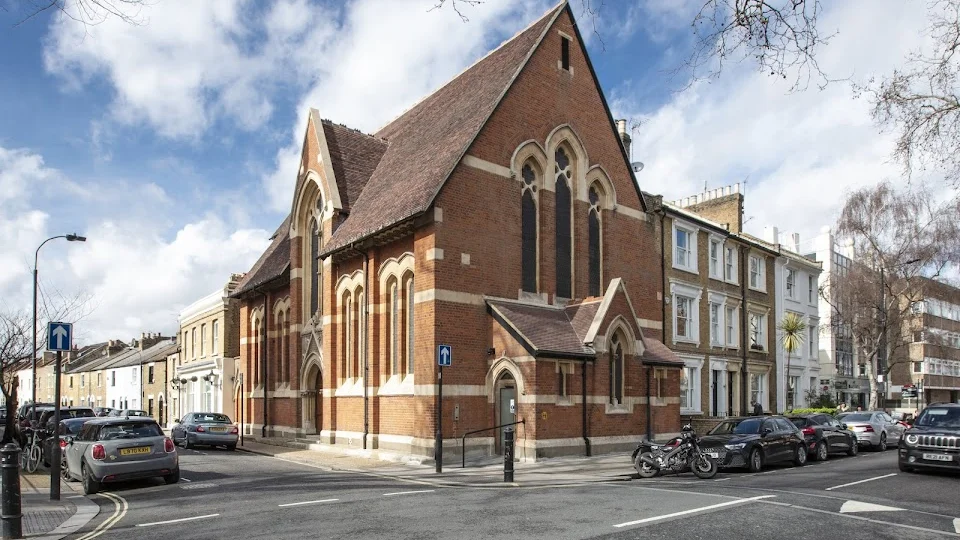 Trial Available
Tap Dance, Ballet, Street Dance & 2 more styles
 Trial Available
Tap Dance, Ballet, Musical Theatre & 1 more style
 Trial Available
Tap Dance, Musical Theatre, Ballet & 3 more styles
Tap Dance, Ballet, Contemporary & 5 more styles
Tap Dance, Ballet, Contemporary & 3 more styles
Trial Available
Tap Dance, Ballet, Street Dance & 1 more style
 Trial Available
Tap Dance, Ballet, Contemporary & 3 more styles
 Trial Available
Tap Dance, Jazz, Lindy Hop & 3 more styles
Tap Dance, Ballet, Jazz & 3 more styles
 Trial Available
Tap Dance, Jazz, Musical Theatre & 2 more styles
Tap Dance, Ballet, Street Dance
 Trial Available
Tap Dance, Ballet, Contemporary & 1 more style
Tap Dance, Ballet, Contemporary & 1 more style
Tap Dance, Ballet, Jazz & 2 more styles
 Trial Available
Tap Dance, Ballet, Contemporary & 3 more styles
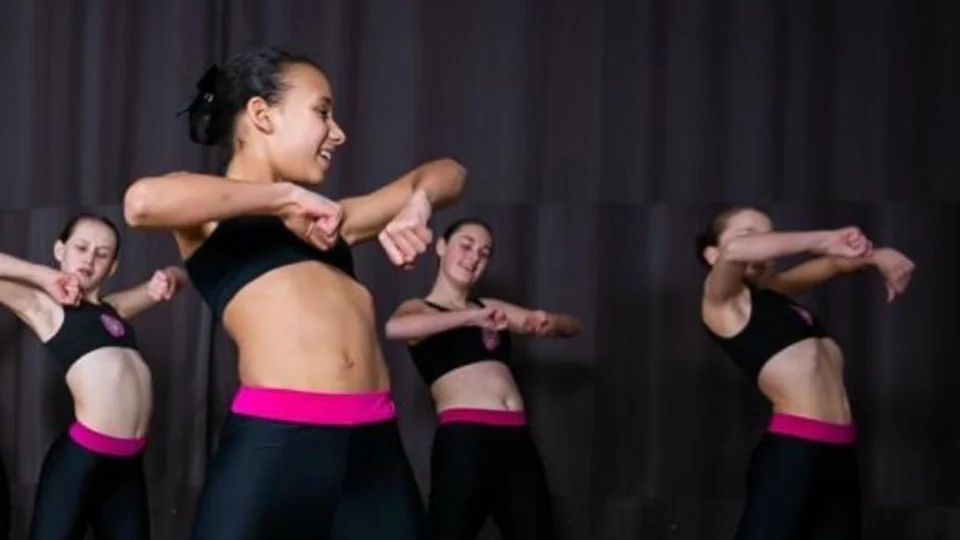
Tap Dance, Ballet, Contemporary & 6 more styles
 Trial Available
Tap Dance, Ballet, Commercial & 3 more styles
Tap Dance, Musical Theatre, Heels & 1 more style
Tap Dance, Ballet, Jazz & 5 more styles
 Trial Available
Tap Dance, Ballet, Jazz & 4 more styles
Tap Dance, Ballet, Charleston & 2 more styles
 Trial Available
Tap Dance, Ballet, Contemporary & 2 more styles
Tap is one of the only dance styles where the dancer is also literally the musician — training a level of rhythmic precision no other technique class demands in quite the same way.
The continuous, fast footwork of a tap combination gives a genuine cardio workout, disguised inside rhythm and musicality.
Layering rhythms across both feet while staying musically in time builds a specific, transferable kind of coordination.
Graded syllabi (ISTD, IDTA) give a clear, exam-based route from a child's first steps through to advanced technique.
Tap's theatrical Broadway tradition builds real stage presence and showmanship alongside pure technique.
Because tap is almost always taught within broader ballet or musical theatre training in London, it builds directly transferable skill for that wider performance pathway.
Tap is a mainstay of youth dance training in London, commonly taught from preschool age within graded syllabi (ISTD, IDTA) alongside ballet and jazz.
Beginner classes teach fundamental steps — flap, ball-change, shuffle, time step — from scratch, whatever your age.
Tap is a popular recreational class format for adults in London, valued for its rhythmic, musical character as much as the exercise.
Because tap is almost always taught within a broader ballet or musical theatre programme in London, it's treated as essential foundational training for that pathway.
For dancers who want rhythm and musicality to be the actual point of the class, rather than a byproduct of choreography, tap delivers that directly.
Jazz, ballet and musical theatre dancers often add tap specifically to sharpen musicality and rhythmic precision.
Tap dance has a long tradition in London's theatre community and is widely taught across the city's performing arts schools and dance academies — but almost always as part of a broader curriculum rather than a standalone specialty; no London studio in our directory lists tap as its primary focus.
Theative Performing Arts teaches tap in graded age bands from preschool combo classes through to Grade 4+ for 11-16 year olds, under director Miss Amy, who holds ISTD, RAD and DDE tap qualifications, alongside a dedicated "Triple Threat Musical Theatre" programme. Gillham School of Performing Arts, founded in 2007 by Laura Gillham, runs an annual IDTA Tap exam alongside ISTD Ballet and IDTA Jazz, with a combined ballet-tap-jazz class for preschoolers. ECD — European College of Dance and D&B Academy of Performing Arts both fold tap into vocational-level training — full-time diploma and musical theatre programmes respectively — alongside ballet, jazz and contemporary technique.
Tap dance classes in London are available at all levels and most performing arts studios. Beginners are introduced to basic steps — flap, ball-change, shuffle and time step — before progressing to more complex combinations.
The style is suitable for children and adults alike and is often offered as part of a broader theatrical dance curriculum.
Fitted, comfortable clothing that lets the teacher see your legs and footwork clearly works best — leggings or fitted trousers with a fitted top. Proper tap shoes are essential from early on, since the metal plates are what make the style work — most schools can advise on where to buy a first pair.
Hair should be tied back and jewellery removed, standard practice across the ballet and musical theatre programmes tap is usually taught within.
Next Step
Explore our curated guide to London's best dance studios — filtered by style, area and level.
Browse Dance Studios in London Jazz Dance
 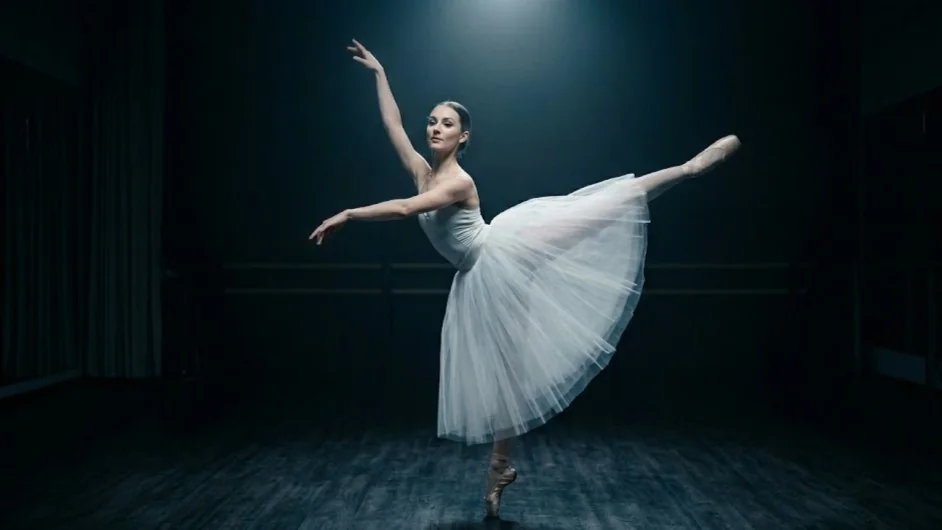 Ballet
 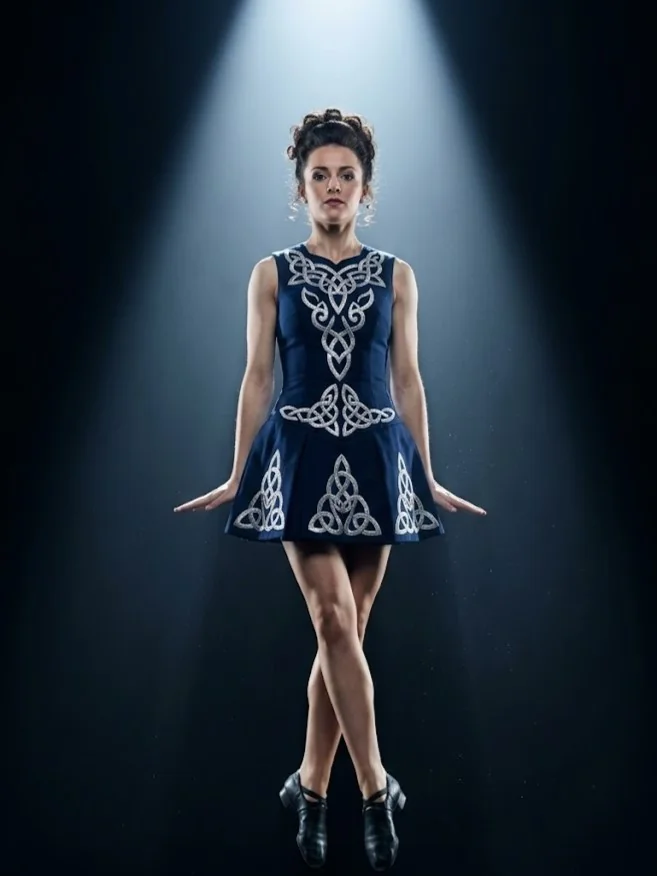 Irish Dance
 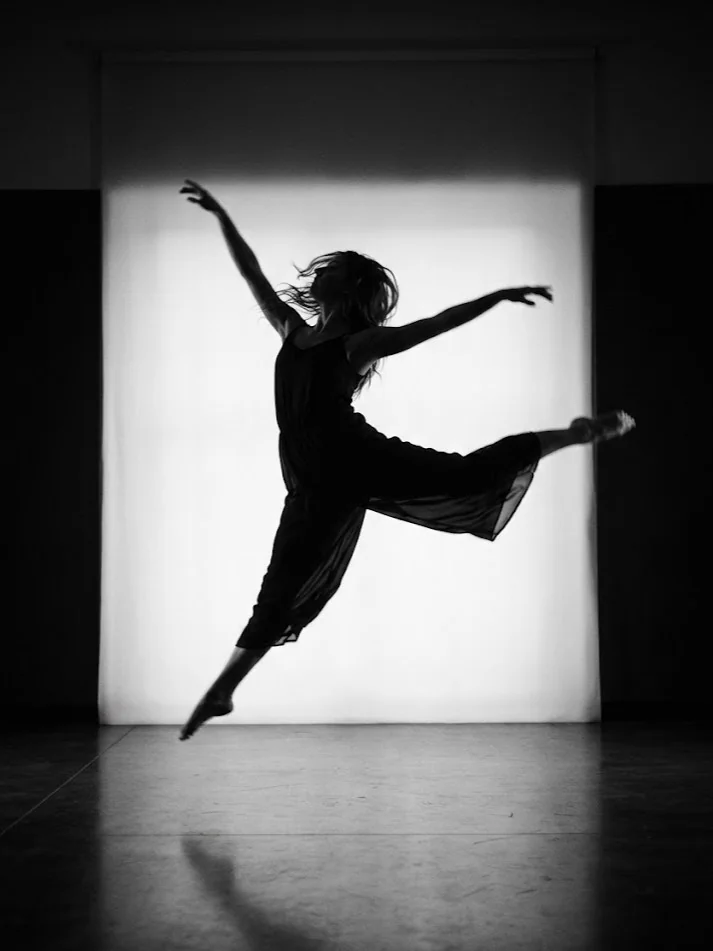 Contemporary Dance