Dance School London

A complete guide to dance schools, academies and training programmes in the capital — for beginners, adults, children and aspiring professionals.

603+ Dance Schools & Academies
65+ Dance Disciplines
32 London Boroughs
All Levels Welcome

A World-Class City for Dance Training & Education

London is widely recognised as one of the most important cities in the world for dance education. The capital is home to globally respected institutions — the Royal Ballet School, the London Contemporary Dance School and the Laban Conservatoire — alongside hundreds of independent dance academies, training studios and community schools offering structured programmes at every level.

What distinguishes a dance school from a casual studio is the depth of its educational offer: qualified teachers, structured curricula, progression pathways, examinations and performance opportunities. Whether your goal is to reach professional standard, develop a serious hobby, or simply learn a new skill from scratch, London has a dance school that fits.

This guide covers the full landscape of dance education in London — from what to look for in a school to the types of programmes available and the best schools across every style and area.

"The right dance school does not just teach you to move — it gives you a language, a community and a practice for life."

Institutions with international prestige
Independent academies for every style
Community schools in every borough
Courses from beginner to professional
What Sets a Dance School Apart

Not every place that teaches dance is a school in the full sense. Here is what distinguishes a dedicated dance academy in London from a casual class or drop-in studio.

01

Structured Curriculum

A dance school follows a defined syllabus — often aligned with recognised bodies such as the RAD (Royal Academy of Dance), ISTD or Cecchetti Society. Students progress through graded levels with clear milestones and, in many cases, formal examinations.

02

Qualified, Professional Teachers

The best dance teachers in London hold professional qualifications and often have performing or choreographic careers alongside their teaching practice. Accredited schools vet their faculty and invest in ongoing teacher development.

03

Clear Progression Pathways

Unlike a single-session drop-in class, a school provides a journey — from foundation courses for beginners through to advanced and vocational training. Students can track their development and set meaningful long-term goals.

04

Performance Opportunities

Dance is a performing art. Schools typically organise shows, showcases and competitions that give students the experience of performing in front of an audience — a key part of a rounded dance education.

05

Community & Culture

A good dance academy is more than a building and a timetable. It is a community — regular students, social events, shared values and an environment where learning is encouraged and creativity is celebrated.

06

Consistent & Accessible Timetable

Schools commit to consistent weekly classes — making it easy to build a regular practice. Many London dance schools offer morning, daytime and evening options to accommodate working adults and students.

Types of Dance Schools in London

London's dance education landscape is extraordinarily diverse. From classical conservatoires to social dance academies, here is a guide to the main categories of school and what each offers.

Classical & Ballet Academies

London is home to some of the world's finest ballet schools and classical dance academies. Many follow RAD or Cecchetti syllabuses and offer programmes from junior grades through to professional training. Vocational full-time courses are available for serious students.

Explore ballet schools →

Contemporary Dance Schools

From the London Contemporary Dance School at The Place to independent studios across East London, contemporary dance training in the capital covers release technique, somatic practice and experimental movement — at every level from beginner to degree-level.

Explore contemporary schools →

Social Dance & Latin Academies

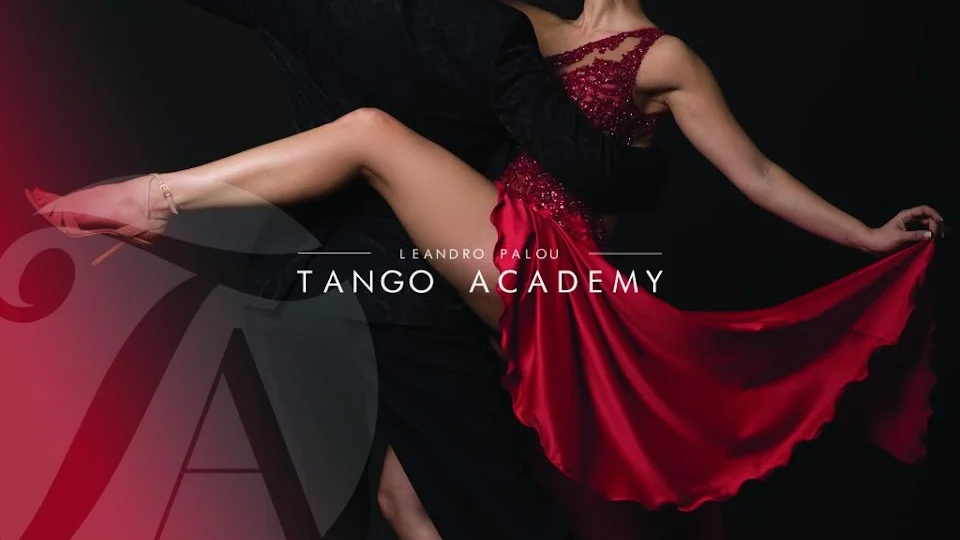
London has one of Europe's most active social dance communities. Schools in this category teach salsa, bachata, kizomba, Argentine tango and ballroom — often combining structured lessons with regular social dances, so students can practise in a live environment from the start.

Explore Latin dance schools →

Urban Dance Academies

Hip-hop, street dance, breaking and commercial dance schools have a strong presence in London — particularly across East and South London. Many urban dance academies offer structured beginner courses alongside open freestyle sessions and competition preparation.

Explore urban dance schools →

Performing Arts Schools

Performing arts academies in London combine dance with singing, drama and stagecraft — preparing students for musical theatre, TV and film. Many have industry connections and stage end-of-year productions at professional West End venues.

Explore performing arts schools →

Cultural & World Dance Schools

London's diversity sustains thriving schools for Bharatanatyam, Bollywood, flamenco, bhangra and African dance traditions. These schools are often deeply rooted in their communities and offer an authentic path into styles that connect dance with cultural heritage.

Explore world dance schools →

Dance Schools for Every Level

Whether you are stepping onto the dance floor for the first time or pursuing professional development, London's dance training ecosystem has a place for you. Here is what to expect at each stage.

Beginner

Starting from Zero

Most dance schools in London for beginners offer structured foundation courses that introduce technique, musicality and body awareness. No prior experience needed. Look for schools that keep beginner class sizes small and offer a free or paid trial session before you commit.

  • Foundation technique and rhythm
  • Small, welcoming class sizes
  • Trial classes widely available
  • Flexible pay-per-term or monthly options
Improver

Building the Foundation

For those with a few months of experience, improver courses deepen technique and begin to introduce repertoire, combinations and stylistic nuance. This is where consistent training starts to pay off — and where finding the right dance school becomes especially important.

  • Developing technical vocabulary
  • Introduction to combinations and short phrases
  • Teacher feedback and corrections
  • Regular progress reviews
Intermediate

Developing Your Practice

Intermediate dance training focuses on technical refinement, performance quality and the ability to learn more complex choreography quickly. Schools at this level often prepare students for examinations (in classical styles) or showcase performances.

  • Technical refinement across all elements
  • Performance and stage experience
  • Examinations and assessments (in classical forms)
  • Introduction to choreographic principles
Advanced

Serious Study

Advanced students typically train several times a week, refining technique toward professional standard or higher examination grades. Schools at this level often have company affiliations, strong alumni networks and high-quality guest teaching.

  • Multiple sessions per week recommended
  • Company class and repertoire work
  • Guest teachers from professional companies
  • Performance in external productions
Vocational

Professional Training

Professional dance training in London ranges from part-time development programmes to full-time vocational courses and degree-level conservatoire study. This level is for those pursuing dance as a career — or investing seriously in their artistic development.

  • Full-time and part-time vocational programmes
  • Degree and diploma-level qualifications
  • Industry auditions and showcases
  • Conservatoire training at recognised institutions

How to Choose the Right Dance School in London

Finding the best dance school in London for your goals is about more than proximity and price. Here are the key factors that define a quality dance academy.

1
Teacher Qualifications

Look for teachers with recognised accreditations — RAD, ISTD, IDTA for classical styles; relevant professional credits for urban, contemporary or cultural forms. Ask about teachers' performing and teaching experience.

2
Try Before You Commit

Any reputable dance school in London will offer a trial class. Use it. Pay attention to how the teacher communicates, whether the pace suits you, and how welcoming the atmosphere is — especially as an adult beginner.

3
Class Size & Student Ratio

Smaller classes mean more individual attention. For technique-led training (ballet, contemporary, tango), a class of 8–15 students is ideal. Larger classes can work well for drop-in urban styles or fitness-led sessions.

4
Curriculum & Progression

Ask whether the school follows a defined syllabus and whether students are assessed or graded. A clear structure signals that the school is serious about dance education and not just filling class spaces.

5
Performance Opportunities

Schools that stage annual shows and encourage students to perform are investing in a complete education. Check the school's social media and past event history to gauge how active its performance culture is.

6
Community & Culture

The best dance training happens when you feel at home. Read Google reviews — not just the star rating, but what students say about the teachers, the atmosphere and how long they have been attending.

Where to Find Dance Schools in London

Dance schools are spread across every borough of London, but certain areas have notable concentrations by style. Use this as a quick orientation guide — or search the interactive map for schools near you.

Area Schools Known For
Central London 214 Classical ballet, contemporary, performing arts
West London 96 Ballroom, Latin, ballet, performing arts
South East London 74 Salsa, urban, community dance, afrobeats
East London 68 Hip-hop, Afrobeats, street dance, contemporary
North London 65 Ballet, urban, contemporary, social dance
South West London 57 Ballet, Latin, tango, contemporary
South London 27 Dance schools and academies

Dance Styles Taught at London Schools

London's dance schools cover an extraordinary breadth of disciplines. The most widely available styles — ranked by the number of schools offering them — are listed below. Follow any style for a dedicated guide and school listings.

View all 65+ dance styles →

More Than a Class — Joining London's Dance Community

The greatest long-term benefit of attending a dance school rather than isolated classes is the community it provides. London's dance academies and centres are hubs of shared passion — where students train together over years, forge friendships and support each other's development.

From the close-knit world of competitive ballroom, where partners train side by side toward major championships, to the vibrant Afrobeats scene that anchors specific London neighbourhoods, every discipline has its own community with social events, workshops and performances that go far beyond the weekly lesson.

Whatever style draws you in, enrolling in a proper dance academy in London means joining a world — not just attending a class.

Dance School London — Frequently Asked Questions

What is the difference between a dance school and a dance studio?

A dance school typically offers a structured curriculum, enrolled students and qualified teachers — akin to an academy. Many follow formal syllabuses such as RAD or ISTD. A studio may offer drop-in classes without the same level of structured progression or teacher accreditation.

Are there professional dance schools in London?

Yes — London is home to several world-renowned institutions including the Royal Ballet School, the London Contemporary Dance School and Laban. Many independent dance academies also offer vocational and semi-professional training programmes.

Can adults join a dance school in London with no experience?

Absolutely. Most dance schools for adults in London welcome beginners and offer foundation courses across a range of styles. It is common — and celebrated — for adults to begin dancing later in life and progress significantly with regular practice.

How do I choose the right dance school?

Focus on teacher qualifications, trial class availability, class size and whether the school follows a clear progression pathway. Read reviews — not just for the star rating, but what students say about the teaching quality and school culture. See our checklist above for a full guide.

Find a Dance School in London That Fits

Browse over 603 verified schools and academies — filter by style, area and level to find the right place to train, learn and perform.