Ballroom Culture
Voguing
Voguing is one of the most visually dramatic and culturally significant dance styles to emerge from the twentieth century, with a living ballroom culture in London that celebrates LGBTQ+ artistry and community.
Voguing is one of the most visually dramatic and culturally significant dance styles to emerge from the twentieth century, with a living ballroom culture in London that celebrates LGBTQ+ artistry and community.
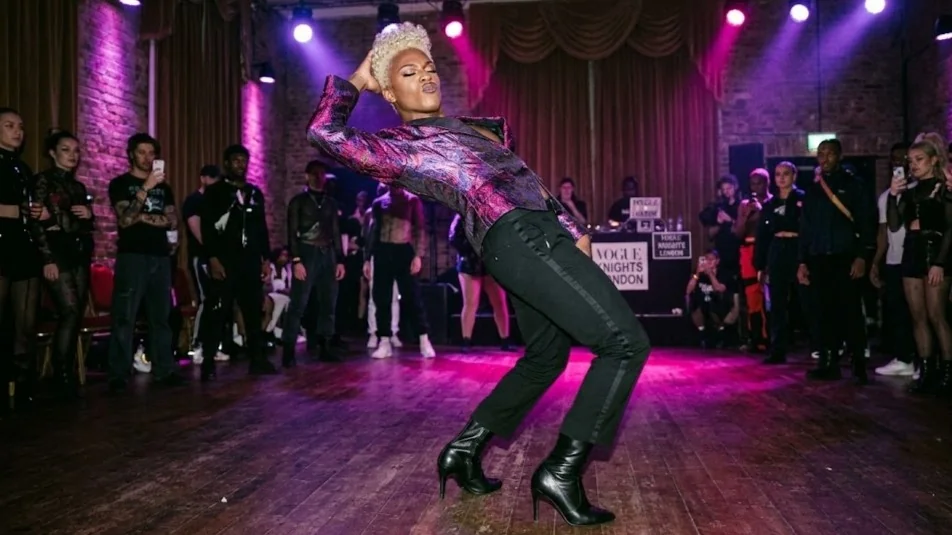
Voguing developed in the LGBTQ+ African American and Latino ballroom scene in New York from the 1960s onwards, reaching global visibility through Madonna's 1990 hit and the documentary Paris Is Burning. The style takes its name from the fashion magazine Vogue and involves angular arm and body poses, fluid runway walks and floor performances.
The main categories include Old Way (angular, geometric poses), New Way (more fluid and contortionist), Vogue Femme (graceful and theatrical), and Runway (performance walks and fashion presentation). Each is practiced within the competitive context of the ballroom.
Ballroom culture is a complete social world with its own vocabulary, houses (chosen families), competitions and codes of recognition, rooted in the experiences of Black and Latinx queer communities.
Voguing and waacking are both LGBTQ+ club dance styles built around sharp arm and body movement, and are often grouped together — but they come from different cities, eras and movement traditions.
Use the map below to find studios near you, or filter by area and audience to jump straight to our curated list of the best-rated Voguing studios in London further down the page.
Voguing, Ballet, Commercial & 18 more styles
Trial Available
Voguing, Reggaeton, Latin Dance & 19 more styles
 Trial Available
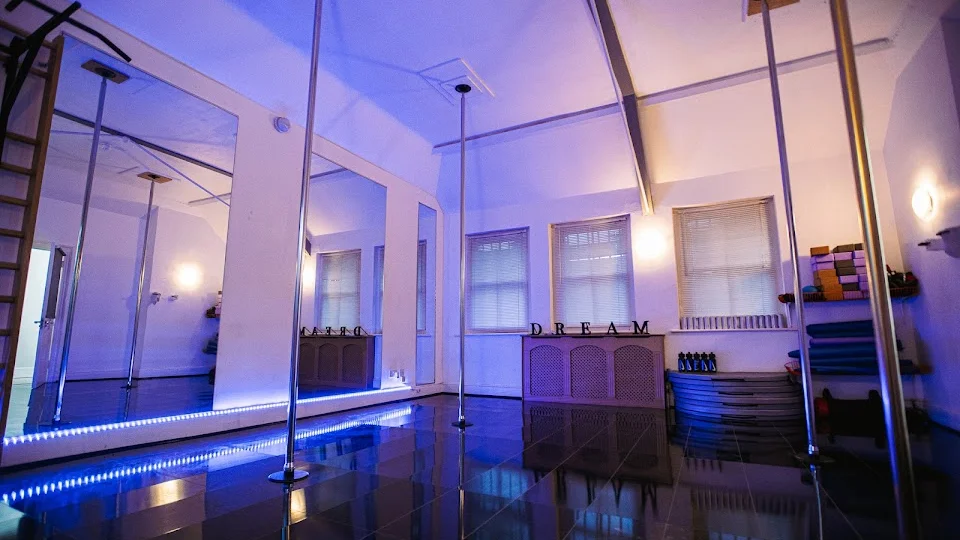
Voguing, Pole Dance
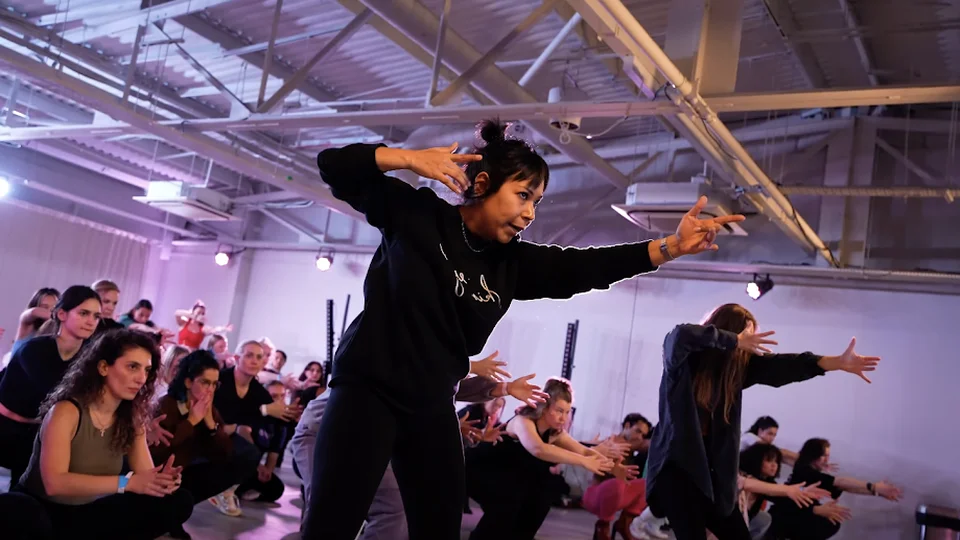
Voguing, Hip Hop, K Pop & 18 more styles
Voguing, Belly Dance, Burlesque & 2 more styles
 Trial Available
Voguing, Ballet, Jazz & 1 more style
Vogue's sharp poses and controlled transitions build a refined level of body control — every line has to be held with intention, which trains real muscular precision.
Duckwalks, dips and floor performance work the hips, spine and legs through an unusually wide range of motion, building flexibility alongside strength.
Low dips, controlled drops and sustained poses demand serious core and leg strength — voguing is far more physically demanding than its polished aesthetic suggests.
Vogue is built on performing identity and personal style with total conviction — a uniquely powerful confidence-building practice for performers of any background.
Vogue is danced in sharp response to the music's beats and breaks, training a precise, percussive sense of timing that few other styles demand to the same degree.
Ballroom culture was built around Houses — chosen families offering support and mentorship — and London's scene continues that spirit of genuine community and belonging.
No dance background is required. Beginner vogue classes teach the fundamental poses, walks and musicality from first principles, with an emphasis on finding your own style rather than copying a set routine.
Vogue is danced by adults of every experience level in London's classes and community spaces — it is as much a practice in self-expression as a technical dance style.
Voguing and ballroom culture were built by and for Black and Latinx LGBTQ+ communities, and London's scene continues to centre and celebrate that history and identity.
The Runway and Face categories in ballroom draw dancers with a background — or interest — in modelling and performance, where presentation is as important as movement.
House, waacking and commercial dancers often train in vogue to add its distinct sharp lines, poses and floor work to their movement vocabulary.
Because vogue is fundamentally about performing your own identity with conviction, it is widely valued as a confidence and self-expression practice beyond the dance itself.
London has a growing and passionate ballroom and voguing community, with balls, workshops and community spaces that connect LGBTQ+ dancers and performers. The scene has expanded significantly in recent years through increased cultural visibility.
London balls celebrate the categories and competitive spirit of the original New York ballroom culture while developing their own character.
Voguing classes in London are available at select studios and through community organisations connected to the ballroom scene. Sessions cover categories, movement techniques and the cultural context that gives voguing its meaning.
The style is celebrated as an expression of identity and community as much as a technical discipline, making cultural immersion as important as technical training.
Regular classes are casual — comfortable clothing that allows floor work and dips, danced barefoot, in clean trainers, or in low heels once you are ready to work on runway presentation. There is no fixed dress code for training.
Balls are a different matter: each category has its own dress expectations tied to the theme of the night — but that level of presentation is for competing at a ball, not for a first class.
Next Step
Explore our curated guide to London's best dance studios — filtered by style, area and level.
Browse Dance Studios in London House Dance
  Waacking
 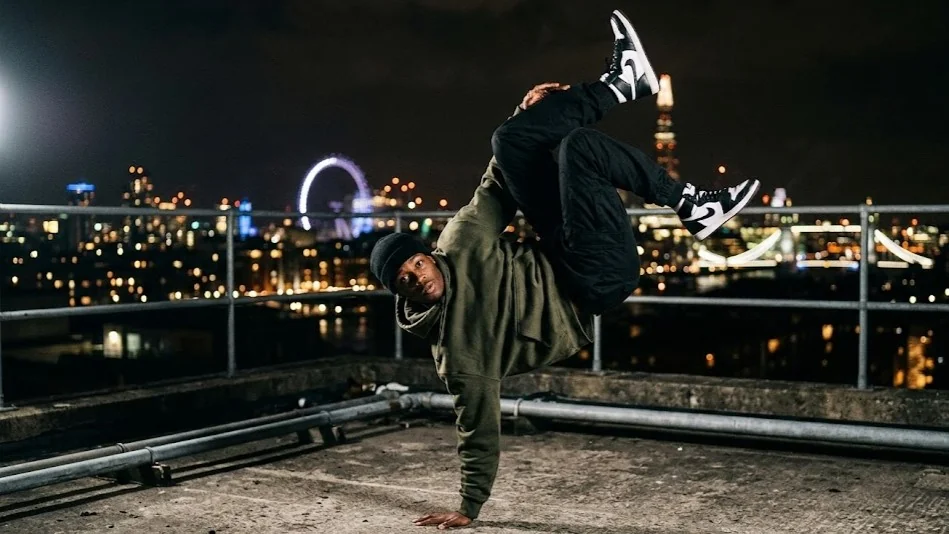 Hip Hop
 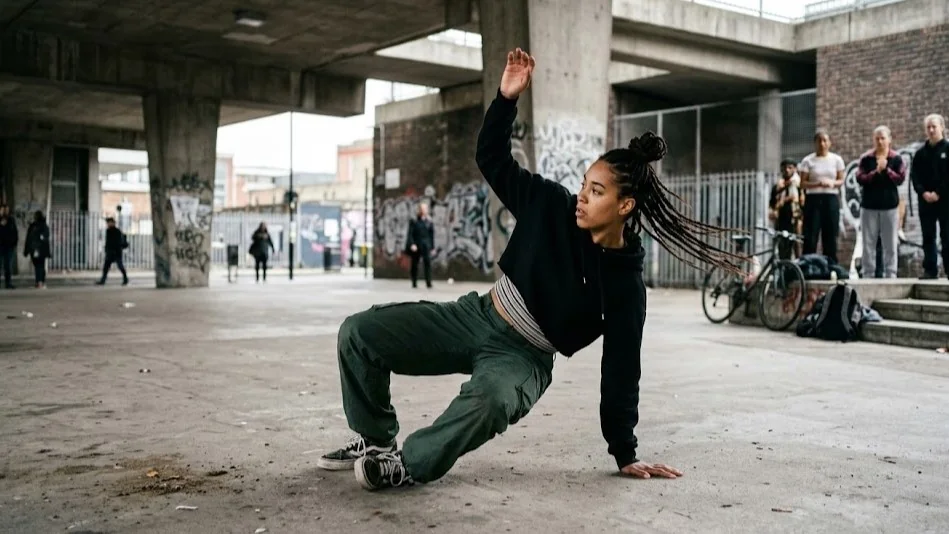 Street Dance