Brazilian Rhythm
Samba Brasileiro (Carnaval)
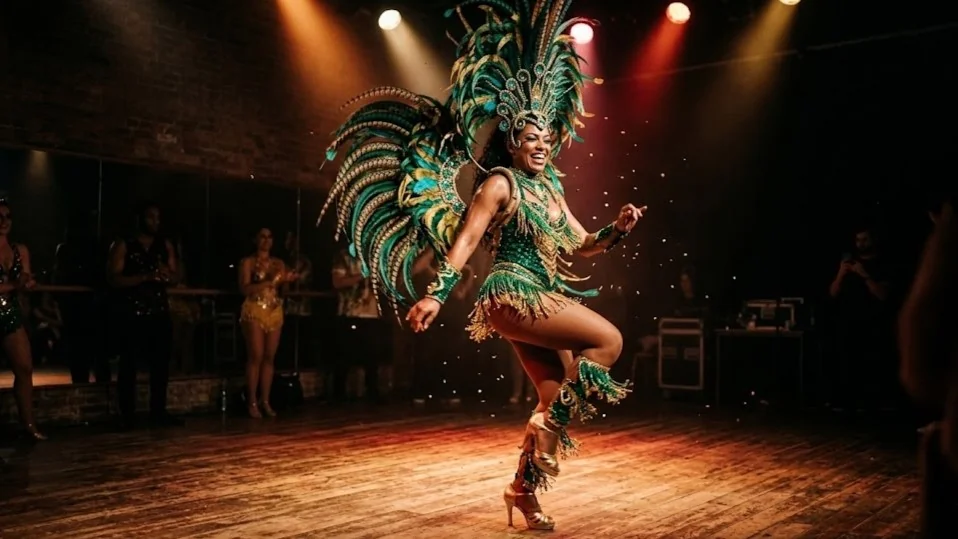
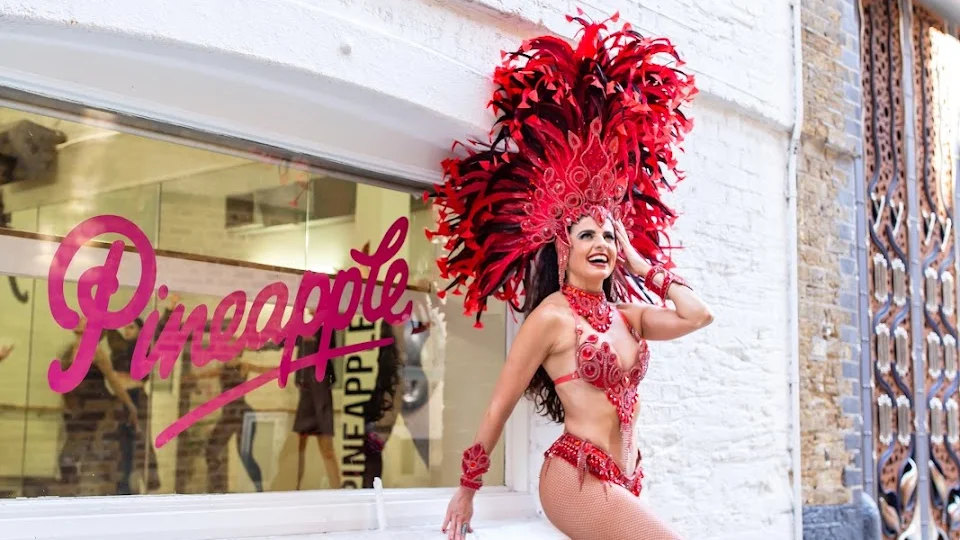
Samba brings the irresistible energy of Brazilian carnival culture to London, taught at dedicated samba schools that prepare dancers for performance as much as for fitness or fun.
Samba brings the irresistible energy of Brazilian carnival culture to London, taught at dedicated samba schools that prepare dancers for performance as much as for fitness or fun.
Samba is a Brazilian dance and music tradition with deep roots in African rhythmic traditions brought to Brazil during the transatlantic slave trade, developing in Bahia before becoming closely associated with Rio de Janeiro. The core solo style, samba no pé, is danced with a straight back and bent knees, using small, rapid steps in a quick 2/4 rhythm.
Not to be confused with Ballroom Samba — the International Latin competitive style — or Samba de Gafieira, the refined partner dance from Rio's traditional dance halls. All three share Brazilian roots but differ in technique, context and social scene.
Brazil's escolas de samba (samba schools) grew out of Rio's carnival street processions in the 1910s and 20s — the first officially recognised school was founded in 1928 — and today combine dance, live drumming (batucada) and costume design to prepare large-scale carnival performances each year.
Related Brazilian styles such as samba de gafieira (partner dance), pagode and axé have also found smaller followings in London, but this page focuses on samba no pé and carnival-style samba as taught by the city's dedicated samba schools.
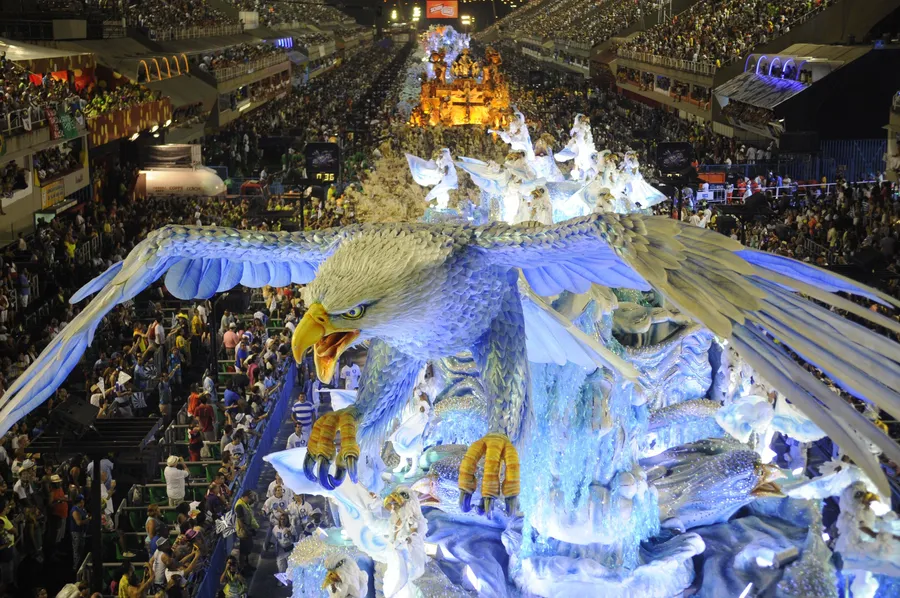
The word "samba" covers two genuinely different dances in London — this page is about the Brazilian carnival tradition, not its ballroom relative.
Use the map below to find studios near you, or filter by area and audience to jump straight to our curated list of the best-rated Samba Brasileiro (Carnaval) studios in London further down the page.
 Trial Available
Samba
Samba, Ballet, Commercial & 18 more styles
Trial Available
Samba, Reggaeton, Latin Dance & 19 more styles
Samba, Zumba, Salsa & 6 more styles
 Trial Available
Samba, Ballroom, Latin Dance & 16 more styles
Samba, Salsa, Zumba & 3 more styles
Samba, Contemporary, Capoeira & 3 more styles
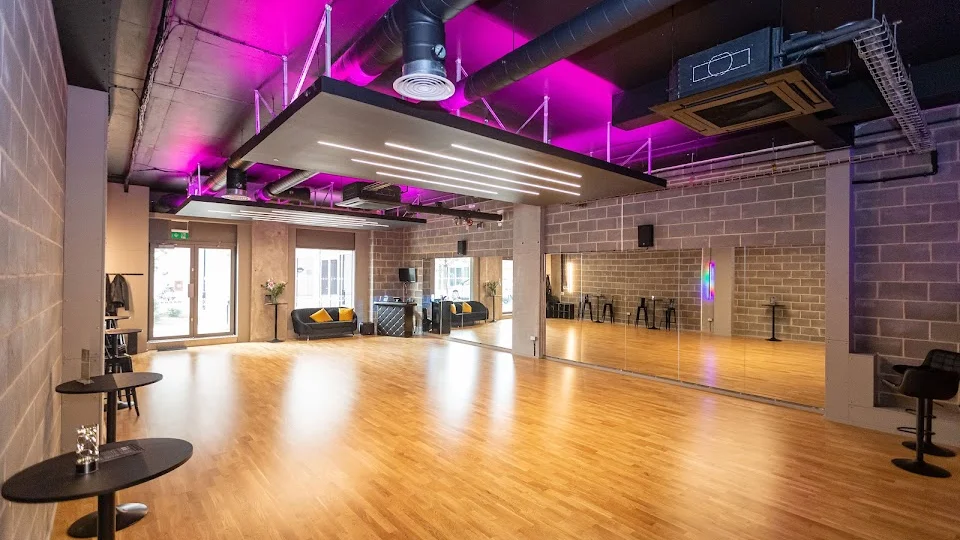
Samba, Ballroom, Waltz & 18 more styles
 Trial Available
Samba, Ballroom, Waltz & 10 more styles
 Trial Available
Samba
Samba, Latin Dance, Salsa & 6 more styles
Samba, Belly Dance
Samba, Ballroom, Tango & 7 more styles
 Trial Available
Samba, Ballroom, Latin Dance & 11 more styles
Samba, Ballroom, Zumba & 13 more styles
 Trial Available
Samba, Ballroom, Waltz & 8 more styles
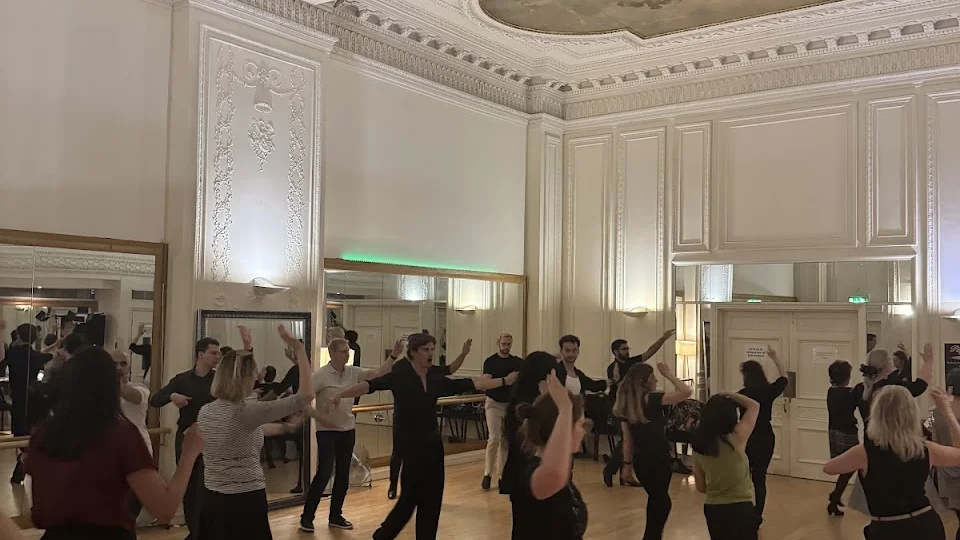
Samba, Ballroom, Waltz & 10 more styles
Samba, Ballroom, Latin Dance & 9 more styles
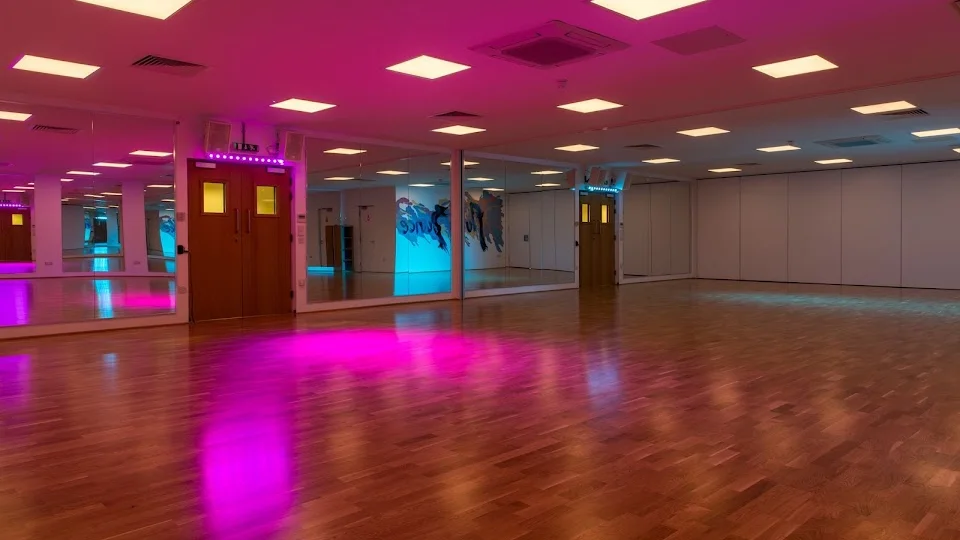 Trial Available
Samba, Swing, Zumba & 7 more styles
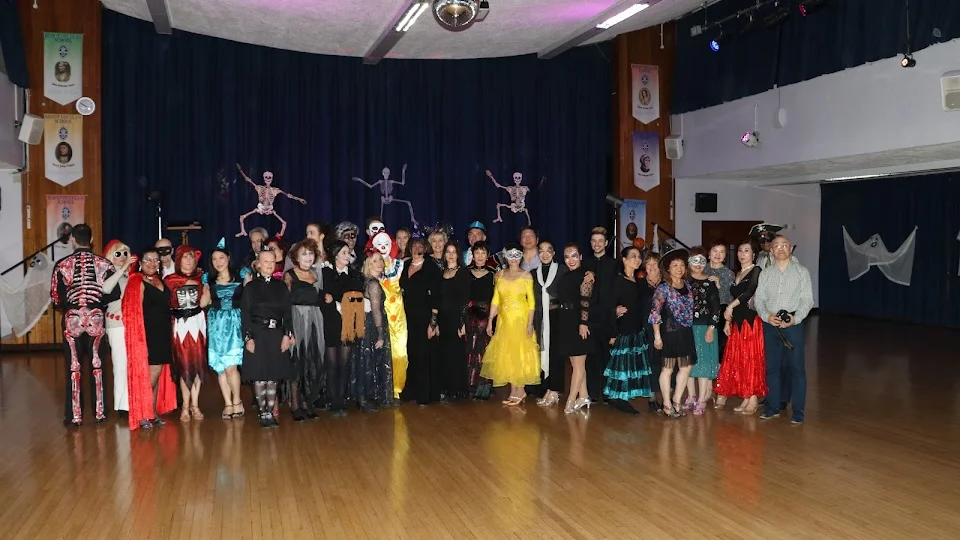
Samba, Ballroom, Tango & 2 more styles
Samba, Ballroom, Tango & 3 more styles
Samba, Cha Cha, Ballroom & 7 more styles
Samba, Latin Dance, Salsa & 4 more styles
Samba, Waltz, Latin Dance & 8 more styles
Samba's fast footwork makes it one of the more demanding cardio dance styles, sustained over a full class.
The quick, precise stepping pattern trains coordination and leg speed in a way few other dance styles do.
Learning samba is a direct route into a living cultural tradition, not just a fitness class — many schools train dancers specifically for carnival performance.
Samba schools function as much as social and cultural communities as dance classes, often built around a shared goal of performing together.
The combination of live percussion, group energy and repetitive rhythmic movement makes samba a genuinely mood-lifting, sociable way to exercise.
Regular practice builds noticeable strength and tone through the legs and core from the sustained, low, quick stepping action.
Samba schools typically run beginner and intermediate levels, teaching the core stepping pattern before building up speed and stamina.
No partner is required — samba no pé is danced solo or in a group, making it an easy style to start without a dance partner.
For dancers drawn to the culture and history behind the movement, not just the steps themselves.
London's established samba schools train and prepare performers who parade with Brazilian bands at the Notting Hill Carnival each year.
Samba schools tend to build a strong sense of group identity, appealing to dancers who want a community as much as a class.
The sustained tempo and footwork give a genuine workout, even without any performance ambitions.
London's Brazilian community has kept carnival samba alive in the city for decades, with dedicated schools training and preparing performers for the Notting Hill Carnival — Europe's largest street carnival — every August.
London School of Samba, based at the Waterloo Action Centre, was established in 1984 and became the first Brazilian band to parade at the Notting Hill Carnival, running weekly classes covering both samba dance and live drumming. Império da Rainha, founded by Liani Devito, is a social enterprise and — by its own description — the only samba school in London with a female president. Devito also runs Samba de Rainha, a Westminster-based samba dance and entertainment school.
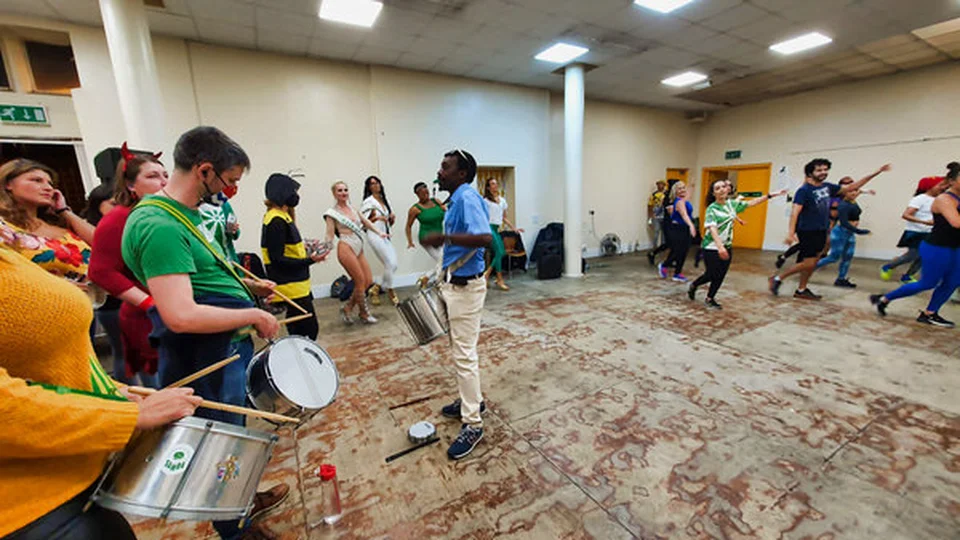
Samba classes in London typically combine footwork training with live or recorded batucada drumming, run in levels from complete beginner through to performance-ready groups.
Many schools structure their year around carnival season, with some classes building specifically toward a Notting Hill Carnival performance rather than running as a standalone fitness class.
Loose, breathable clothing that allows free hip and leg movement — leggings or shorts with a light top work well for regular classes.
Light trainers or bare feet are typical for class; elaborate carnival costumes are only for parade performances, not everyday sessions.
Next Step
Explore our curated guide to London's best dance studios — filtered by style, area and level.
Browse Dance Studios in London Samba (Ballroom)
 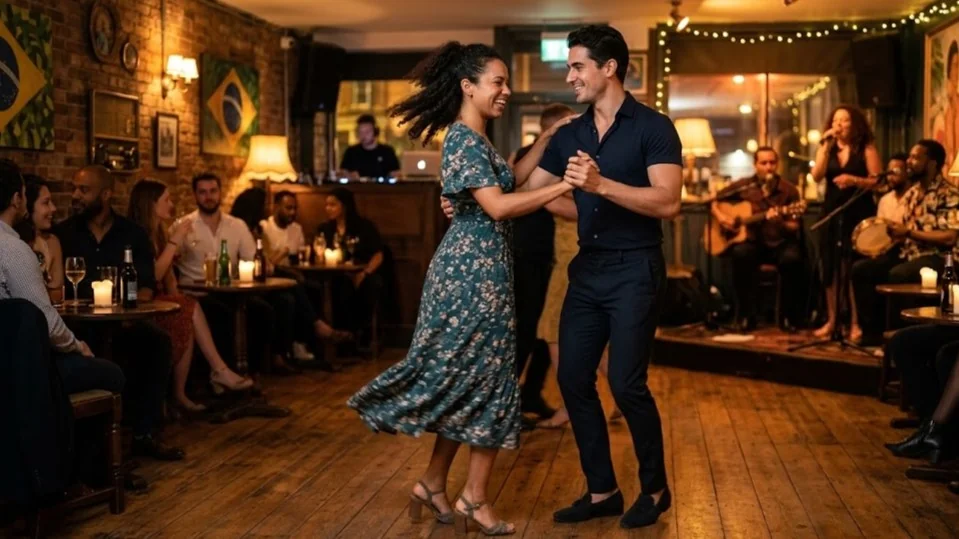 Samba de Gafieira
 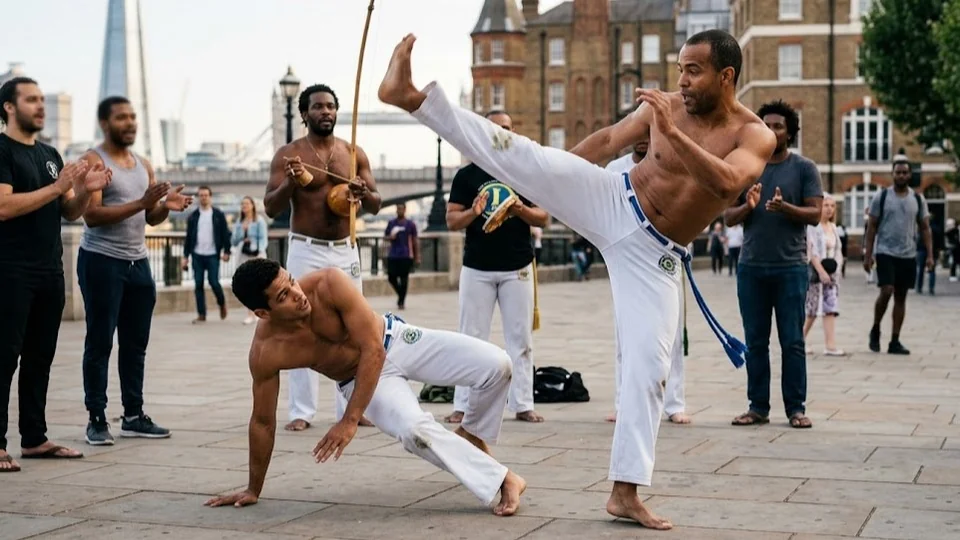 Capoeira
 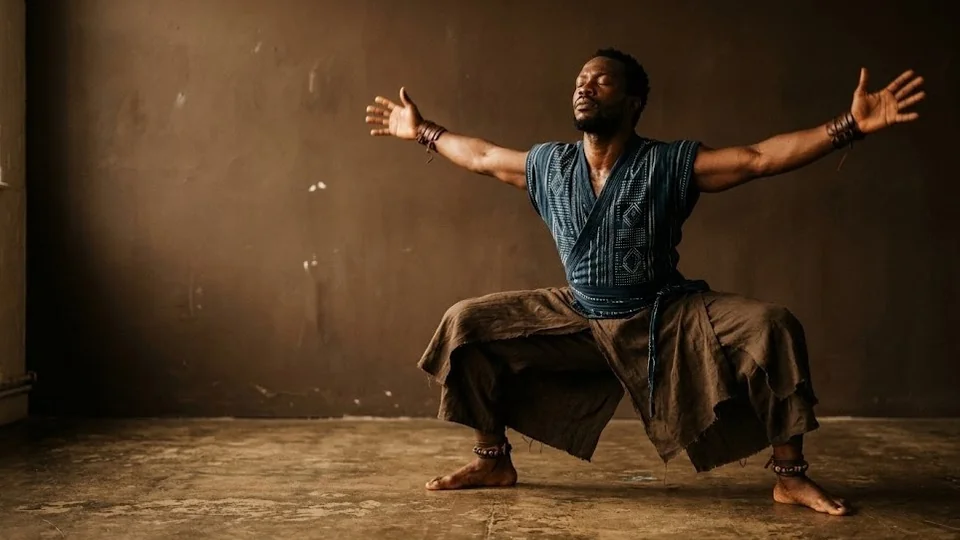 Afro Fusion / Afro Dance
 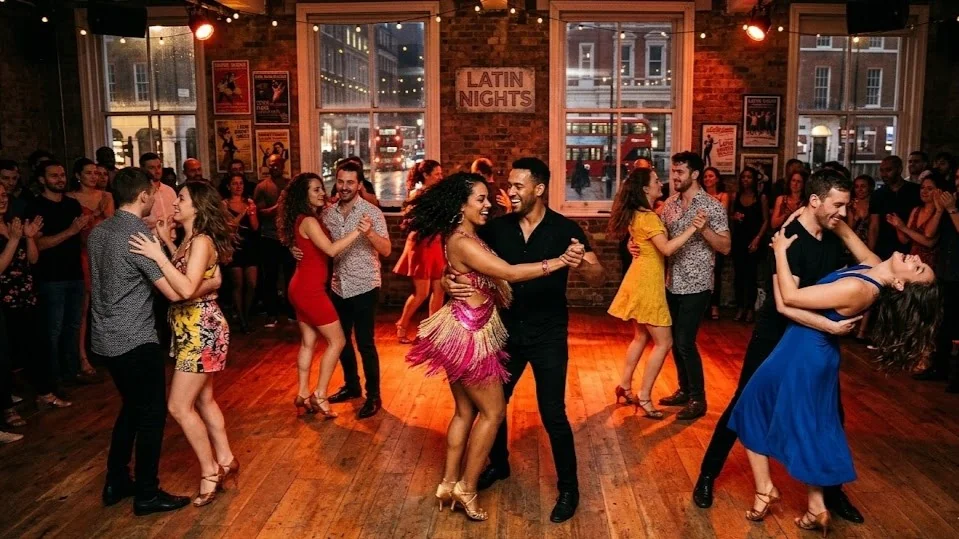 Latin Dance