Argentine Tango is one of the most profound partner dances in the world — an improvised, close-embrace conversation between two people, danced to the melancholic and passionate music of Buenos Aires.
The Style
What Is Argentine Tango?
Argentine Tango originated in the working-class neighbourhoods of Buenos Aires and Montevideo in the late nineteenth century, combining influences from African candombe, Spanish tango and immigrant European dances brought by waves of arrivals to the Río de la Plata. It is a fully improvised partner dance based on a shared embrace and walking, with no fixed sequence of steps.
When Londoners say "tango school" without qualifying it further, this is almost always what they mean — nearly every dedicated tango school in the city teaches the Argentine style. If you specifically want the formal competition dance from the ballroom Standard syllabus, see our Ballroom Tango guide.
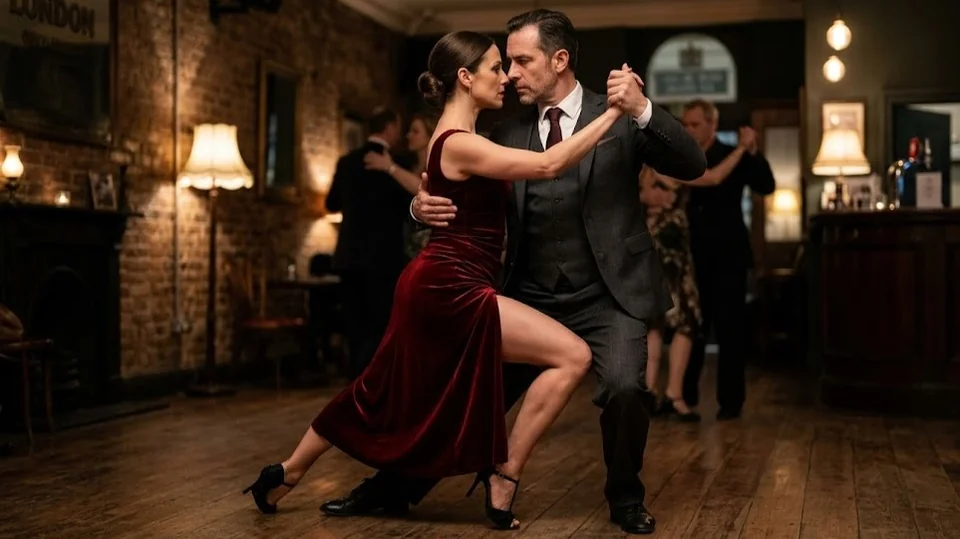
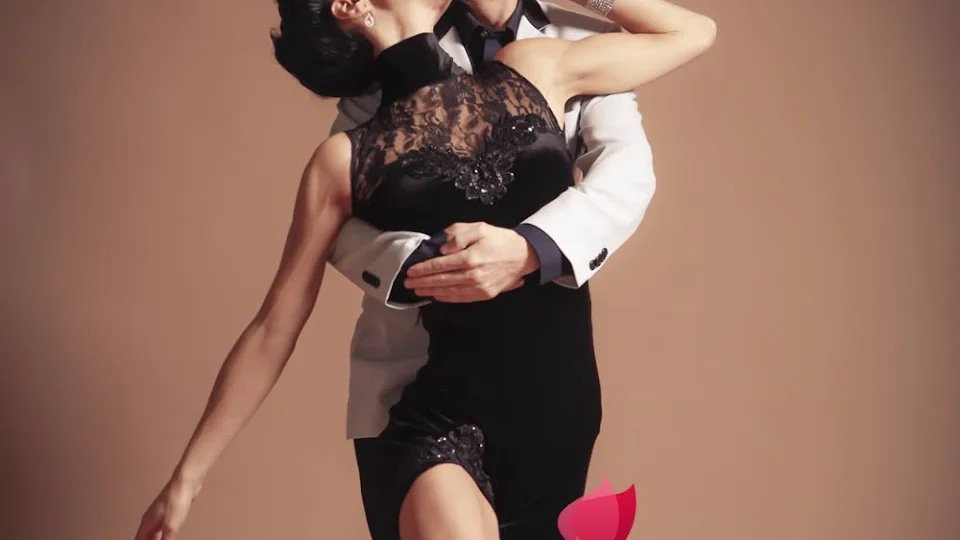
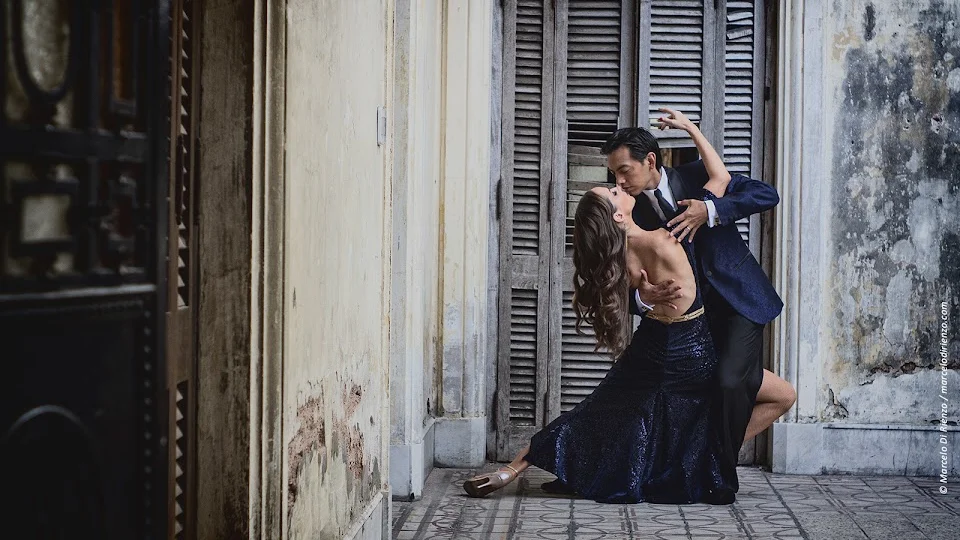
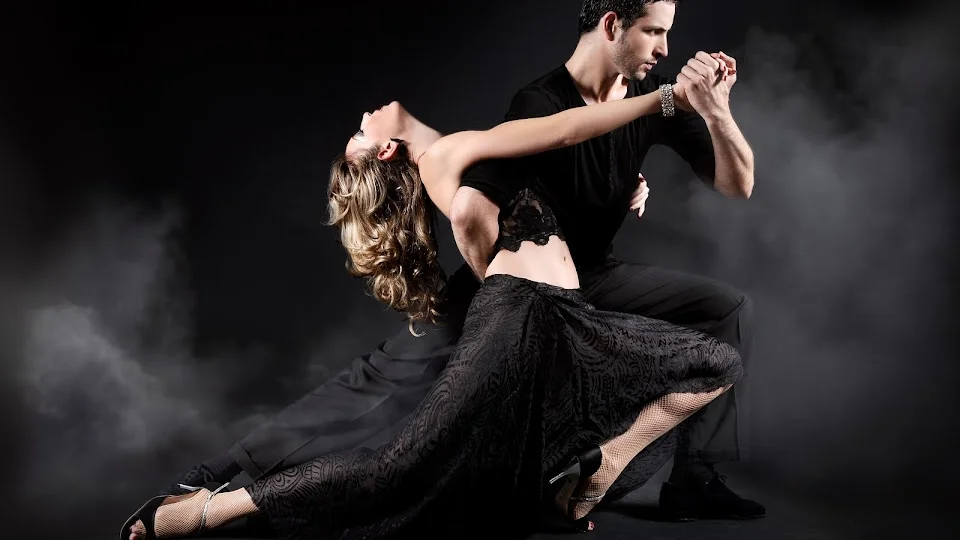
Unlike ballroom tango, Argentine tango has no set choreography — every dance is a unique, improvised conversation led moment to moment by subtle weight changes and connection through the embrace, not verbal or visual cues. The embrace ranges from close ("milonguero") to more open ("salón"), and the vocabulary of movement is vast, built from walking, pauses and turns rather than a catalogue of fixed figures.
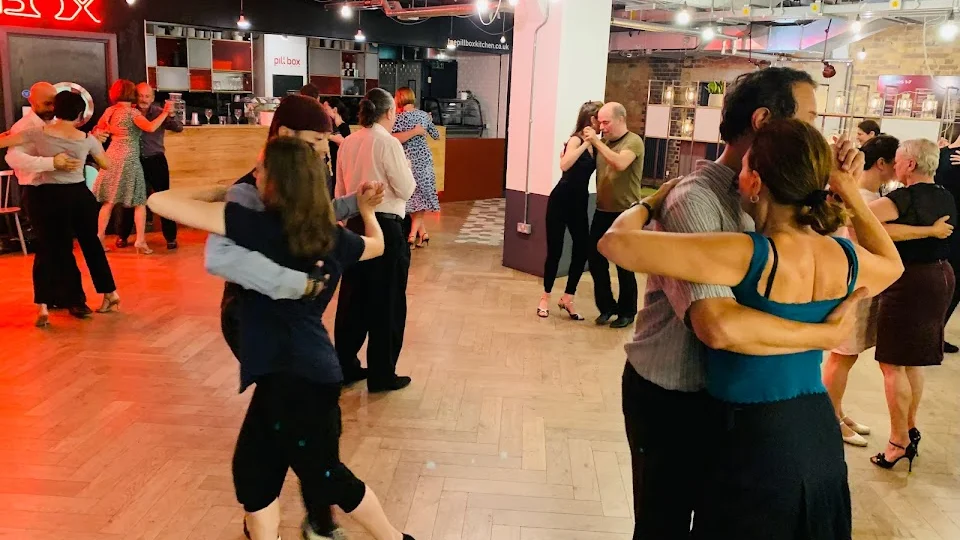
The social event where Argentine tango is danced — the milonga — is as central to the culture as the steps themselves. Regular dancers return night after night less for any single dance than for what tango dancers call "the perfect embrace" with the right partner and the right song.
Argentine tango and ballroom tango share a common root in 1880s Buenos Aires, but a 1930s codification for European competition split them into two genuinely different dances — and in London, they are almost always taught at different types of school.
Where It's TaughtDedicated tango schools and milongas — almost every standalone "tango school" in London teaches this styleGeneral ballroom academies, as part of the Standard syllabus
EmbraceClose embrace, often chest-to-chest, that shifts through the danceFormal frame, held apart at a fixed distance
MovementFully improvised, led moment to moment in response to the musicFixed, counted steps — Slow-Slow-Quick-Quick-Slow — danced to set choreography
PostureUpright, grounded connection with a walking qualityDramatic back-leaning frame with sharp, staccato head movements
ContextSocial dancing at milongas, with a strong connection to Argentine culture and musicCompetition and examination syllabi (ISTD, IDTA)
Best ForDancers who want the original social dance, improvisation and connection to Argentine tango cultureDancers building a full competitive Standard ballroom repertoire
Use the map below to find studios near you, or filter by area and audience to jump straight to our curated list of the best-rated Argentine Tango studios in London further down the page.
Area
Audience
Best Studios to Learn Argentine Tango in London
21 studios
No Argentine Tango studios found for these filters.
Advertisement
Why Try It
Benefits and What You Will Gain
◈
Deep Connection
Argentine tango is built entirely on non-verbal communication through embrace and weight — it develops a level of attentiveness and connection to a partner that few other activities train.
◈
Posture & Walking Technique
Because the entire dance is built from walking, tango retrains how you stand and move through space — dancers often describe a lasting change in everyday posture and balance.
◈
Creative Improvisation
With no fixed choreography to fall back on, tango trains real-time musical and physical improvisation — a genuinely different skill from following set steps.
◈
Calm, Low-Impact Movement
The close embrace and walking-based technique make tango a gentle, low-impact practice that many dancers describe as meditative, while still building genuine core and postural strength.
◈
Musicality
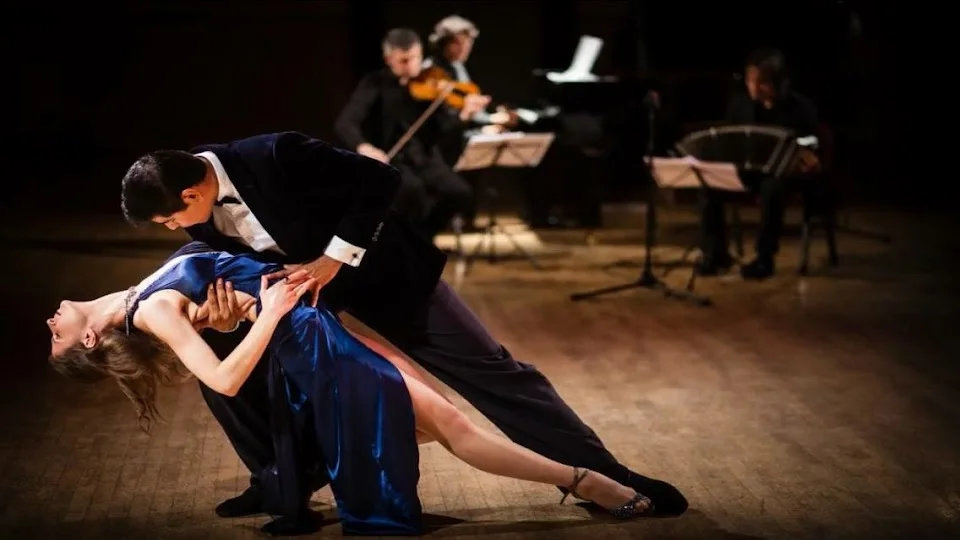
Tango music — with its dramatic pauses, phrasing and rubato — trains a subtle, responsive sense of musicality that transfers to any other partner dance.
◈
Community
London's milonga culture — regular social dance events, several nights a week — makes tango one of the most socially active dance communities in the city once you're past the beginner stage.
Is It for Me?
Who It Is Suitable For
Complete Beginners
Beginner courses teach the embrace and walking technique from the ground up — no prior dance experience, flexibility or partner of your own is expected to start.
Adults
Argentine tango is a popular adult class format in London, valued for its depth, musicality and the strength of the community around it.
Dancers Seeking Deep Connection
For dancers who want genuine partner connection rather than a catalogue of steps to memorise, tango's improvised, embrace-led structure is unlike almost any other dance style.
Music Lovers
Tango's close relationship to its music — full of pauses, phrasing and emotional nuance — appeals strongly to dancers who want musicality to be central to what they're learning.
Those Seeking Low-Impact Movement
Because tango is walking-based rather than high-impact, it suits dancers who want a genuinely physical practice without jumps, kicks or high-intensity choreography.
Dancers Curious About Ballroom Tango
Some dancers arrive via the very different ballroom/competition tango — it's worth knowing the two are distinct traditions before choosing a class.
Learning
How Classes Work in London
London has one of Europe's most respected Argentine tango communities, with weekly milongas (social tango events), structured classes and regular visiting instructors from Argentina. The city's tango scene is international in character and warmly welcoming.
Several of London's leading schools are led by dancers with genuine international competitive pedigree. London Tango Academy, founded in 2003 by Leandro Palou and Maria Tsiatsiani, has choreographed Argentine tango for Strictly Come Dancing and judged the Tango World Championship in Buenos Aires — the school won "Best UK Dance School" at the 2023 Prestige UK Awards. The Argentine Tango School, founded in 2023 by world and European tango champions Adrien Bariki-Alaoui and Iro Davlanti-Lo, runs structured 8-week courses built around their own teaching method. Tango Movement, led by David and Kim Benitez, teaches from studios in Soho and the Barbican, while Tango Amistoso, founded by Winston, runs three weekly milongas alongside its own performance group and brings in teachers from Buenos Aires, Paris and Athens.
Argentine tango classes in London follow the traditional method of learning the embrace, the walk and the fundamentals of improvisation before developing a personal vocabulary of movement.
Most tango schools integrate classes with milonga attendance, understanding that social dancing is central to the development of tango.
When to Dance Argentine Tango in London
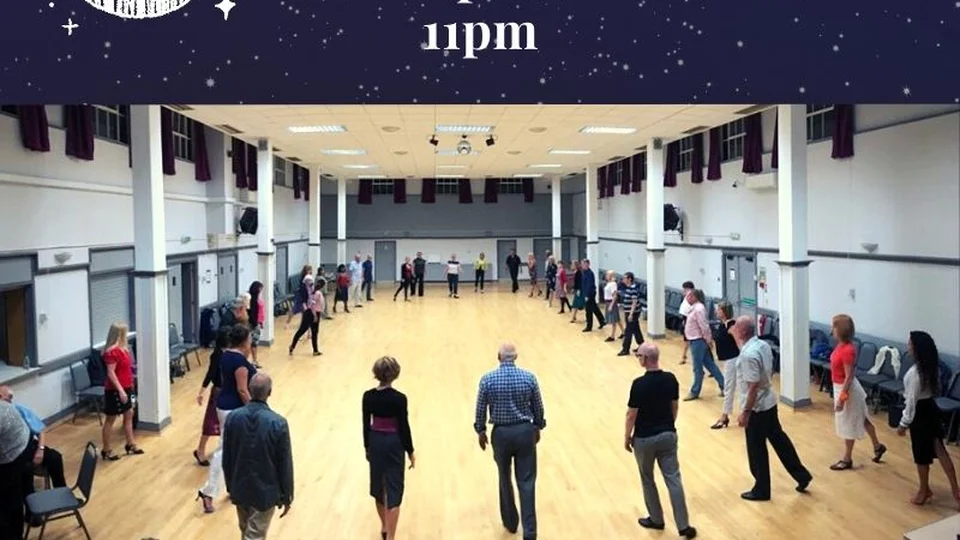
Argentine tango is organised around two kinds of evening: classes or practicas, where you learn and practise, and milongas, the social dances. London has tango on most nights of the week. Classes tend to fall on weeknights, practicas often sit before or after a class, and milongas are spread through the week with the busiest ones towards the weekend.
A common route for newcomers is to take a beginner class, then go to a practica, and attend a milonga once the embrace and walk feel comfortable. Always check the day, start time and whether a beginner lesson comes first. The schools in the directory above can confirm the current schedule.
Argentine Tango Courses for Beginners
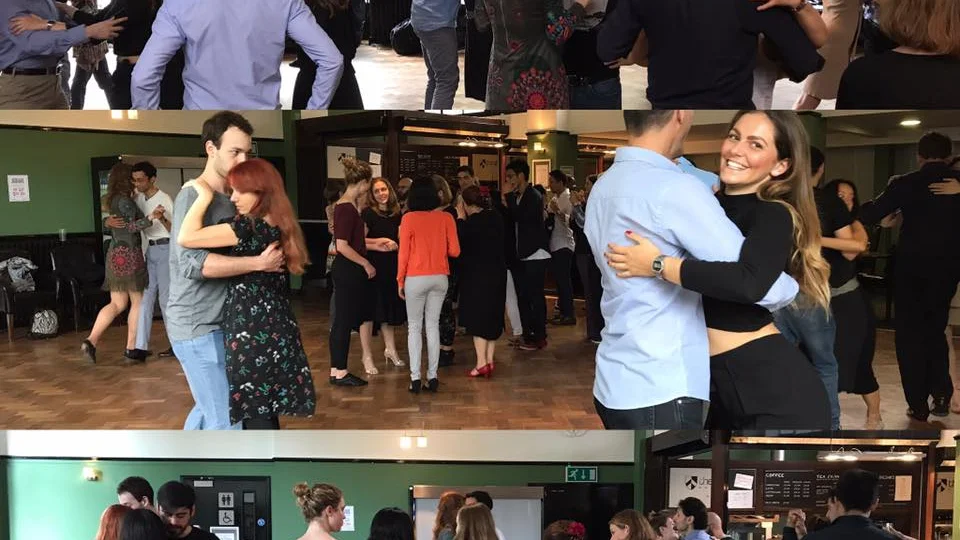
Beginner tango courses concentrate on the essentials: the embrace, walking in time with a partner and the basic building blocks of improvised movement. They usually run as a block of weekly lessons, and many teachers ask students to rotate partners so that everyone learns to lead and follow.
Look for a course described as beginner or fundamentals, and check whether it can be joined mid-block. Some schools welcome newcomers at any point; others only start new beginners at the first lesson of a block.
What Should You Wear?
For your first few classes, comfortable clothing that allows free leg movement is all you need — regular indoor shoes with a smooth sole are fine to start. Once you're dancing regularly, dedicated tango shoes (suede-soled, often with a heel for women to aid the characteristic pivoting) make technique noticeably easier.
For milongas, London's tango scene leans smart-casual to elegant rather than strict — check with the specific venue if you're unsure, as some formal milongas do expect more polished dress.
Common Questions
Frequently Asked Questions
Argentine tango is fully improvised and danced in a close, shifting embrace; ballroom tango is a fixed, choreographed competition dance danced in a formal frame. See our Ballroom Tango guide for the full comparison.
No. Beginner courses teach the embrace and walking technique from the ground up, and most classes rotate partners so you don't need to bring your own.
Most students feel comfortable with the basic embrace and walk within a few weeks; building the improvisational vocabulary to dance confidently at a milonga typically takes several months of regular practice.
Comfortable clothing and smooth-soled indoor shoes are fine to start. Once you're dancing regularly, dedicated suede-soled tango shoes make the pivoting technique noticeably easier.
The lack of fixed steps means there's more to absorb early on than in a choreography-based style, but beginner courses are built specifically to introduce the embrace and walk progressively — no prior dance experience is assumed.
A milonga is a social tango dance event — the heart of the culture, not just a class. Most beginners are welcome once they've done a handful of classes; the etiquette and pace can feel intense at first, so many schools recommend attending with your teacher or classmates initially.
Several London schools run their own weekly milongas, and the wider community hosts additional social dance nights across the city most nights of the week.
No. Most beginner classes start in a slightly more open frame while you build the walking technique, moving to closer embrace as your balance and connection develop.

 Tango
Tango 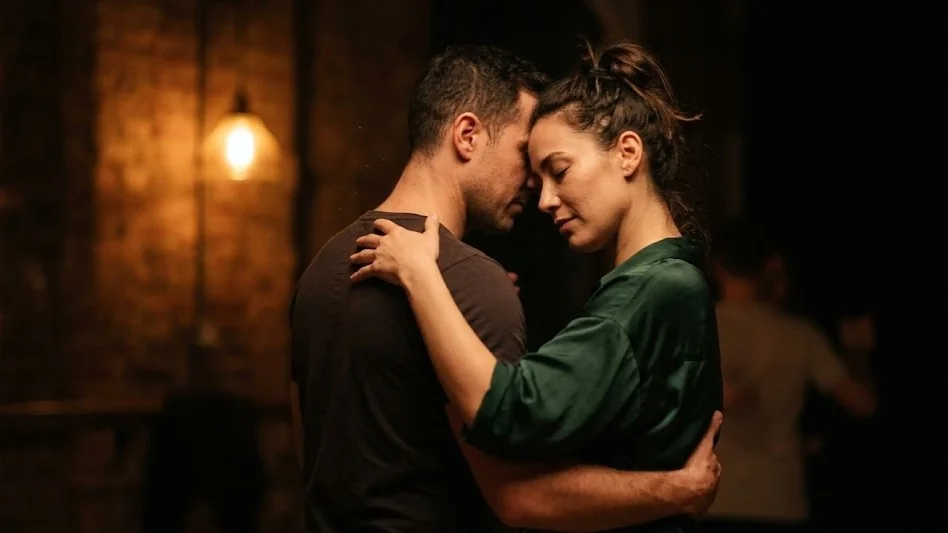 Kizomba
  Brazilian Zouk
  Flamenco