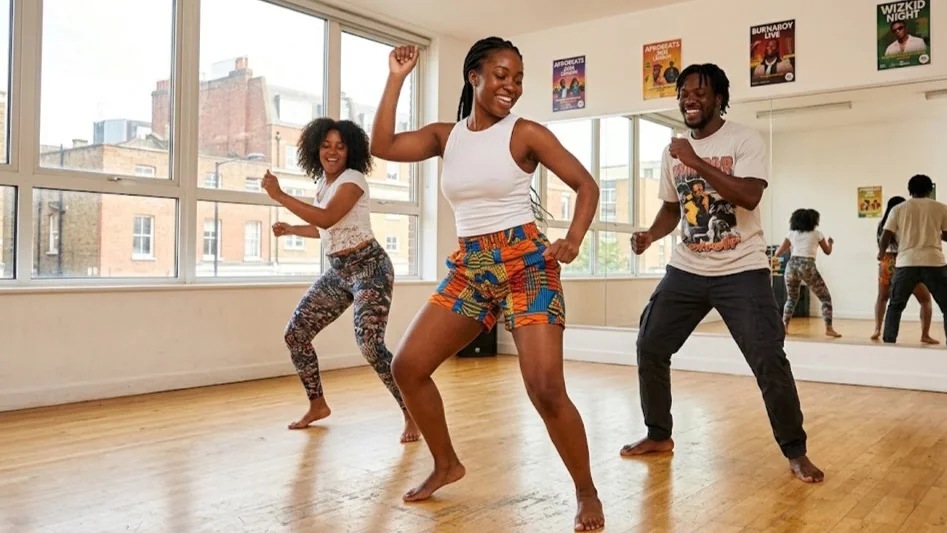
African Pop & Urban
Afrobeats
The sound of modern Africa — joyful, infectious and impossible to stand still to.
The sound of modern Africa — joyful, infectious and impossible to stand still to.
Afrobeats is a contemporary West African pop music and dance movement that emerged from Nigeria and Ghana in the 2000s, distinct from the older Afrobeat genre of Fela Kuti.
The dance style draws from multiple African traditions — Azonto from Ghana, Shaku Shaku and Alanta from Nigeria — blending them with influences from hip hop, dancehall and R&B into a fluid, joyful movement vocabulary.
At its core, Afrobeats dance is about grounded footwork, rhythmic chest and shoulder isolations, and a relaxed yet precise connection to the beat — made globally famous by artists like Burna Boy, Wizkid, Davido and Tems.
Afrobeats and Afro Dance are closely related and often used interchangeably, but Afrobeats specifically refers to the contemporary West African pop movement, while Afro Dance is the broader umbrella it sits within.
Use the map below to find studios near you, or filter by area and audience to jump straight to our curated list of the best-rated Afrobeats studios in London further down the page.
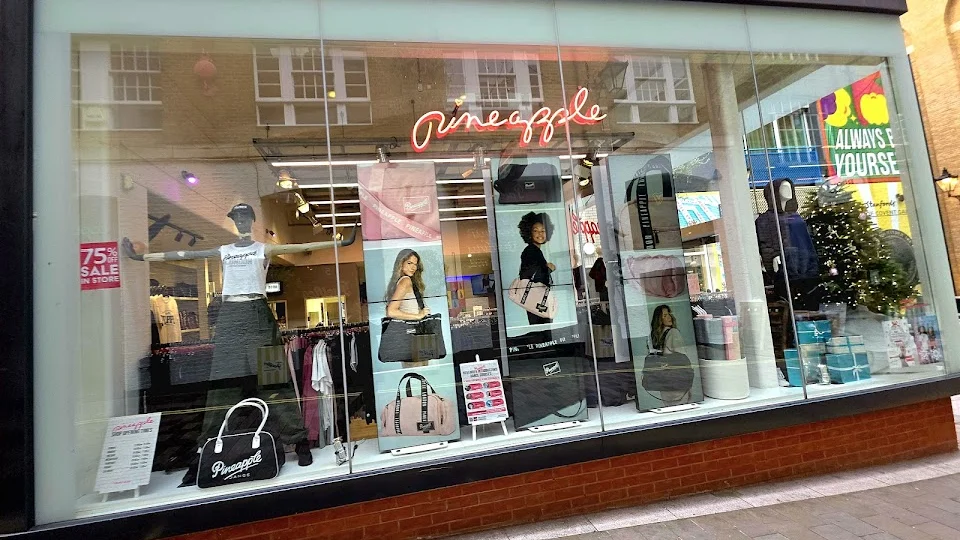
Afrobeats, Ballet, Commercial & 18 more styles
Trial Available
Afrobeats, Reggaeton, Latin Dance & 19 more styles
 Trial Available
Afrobeats, Belly Dance, Salsa & 7 more styles
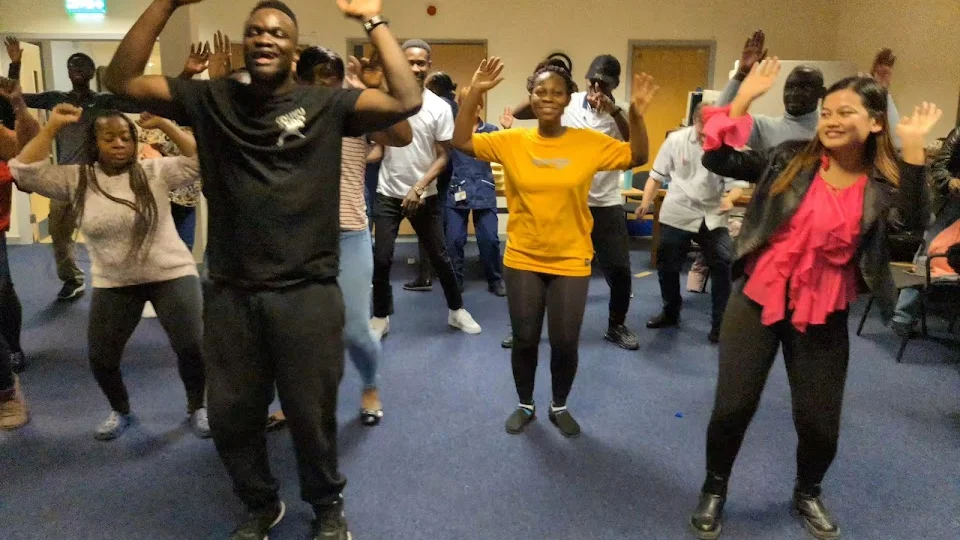 Trial Available
Afrobeats, Afro Dance
 Trial Available
Afrobeats, Hip Hop, Commercial & 5 more styles
 Trial Available
Afrobeats, Street Dance, Hip Hop & 1 more style
Afrobeats classes keep moving from start to finish — footwork patterns and full-song choreography build stamina in a format that feels closer to a party than a workout.
Rhythmic chest, shoulder and hip isolations train fine motor control and coordination in a way few other dance styles emphasise as directly.
The low, grounded footwork central to Afrobeats builds strength and stability through the legs and core, without ever feeling like conditioning work.
Afrobeats is built entirely around the relationship between movement and beat — regular practice sharpens musicality that transfers to any style you dance.
The joyful, high-energy nature of Afrobeats music and movement makes classes a genuine mood-lifter, popular with students specifically for the release it offers.
Afrobeats classes connect students directly to a fast-moving contemporary West African culture, not just a fitness format — many students come for the music as much as the dance.
No prior dance experience is needed. Afrobeats classes teach foundational steps and popular social moves from scratch, making them one of the most approachable styles for newcomers.
Afrobeats is one of London's fastest-growing adult class formats, popular for its social energy as much as its choreography and fitness benefits.
The constant footwork and full-body movement make Afrobeats a genuinely effective cardio workout for anyone looking for a fun alternative to the gym.
Hip hop, commercial and afro-dance dancers regularly train in Afrobeats to build the grounded footwork and isolation vocabulary now central to global commercial choreography.
Afrobeats' connection to current music makes it a genuinely popular choice for teenagers, offering an energetic, socially engaged introduction to dance training.
Because Afrobeats moves are widely danced socially — at parties, weddings and nights out — many students take classes specifically to feel confident on any dancefloor.
London is the undisputed European capital of Afrobeats culture, with a huge West African diaspora community across Peckham, Woolwich, Stratford and Dalston driving demand for authentic classes.
The style has crossed into the mainstream, with Afrobeats nights and classes now found across Central London too — one of the fastest-growing dance categories in the city over the past five years.
Afrobeats classes in London typically teach foundational footwork patterns, popular social moves and short choreographies set to current Afrobeats tracks, making them highly accessible for beginners.
More advanced sessions explore the full cultural vocabulary of moves across different sub-genres — Amapiano-influenced styles, Afroswing fusion and competitive Azonto technique.
Wear comfortable, flexible clothing that allows free movement through the hips and shoulders — joggers or leggings with a t-shirt are standard. Trainers with good grip suit the grounded footwork central to the style.
There is no strict dress code — this is one of the most casual, come-as-you-are styles to try for a first class.
Next Step
Explore our curated guide to London's best dance studios — filtered by style, area and level.
Browse Dance Studios in London Afro Fusion / Afro Dance
  Dancehall
  Hip Hop