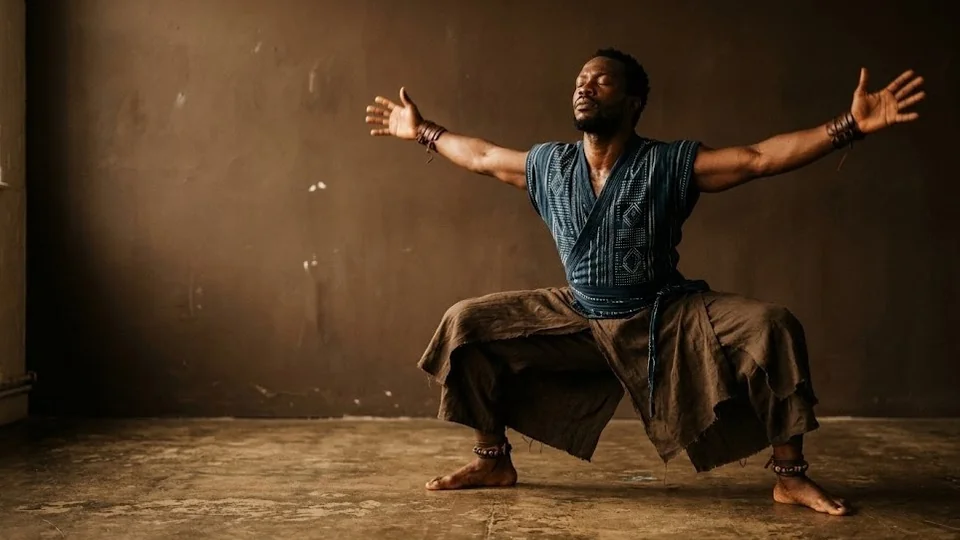
African Movement
Afro Fusion / Afro Dance
Afro dance is one of London's fastest-growing styles, celebrated for its grounded rhythms, expressive upper body and deep connection to African musical traditions.
Afro dance is one of London's fastest-growing styles, celebrated for its grounded rhythms, expressive upper body and deep connection to African musical traditions.
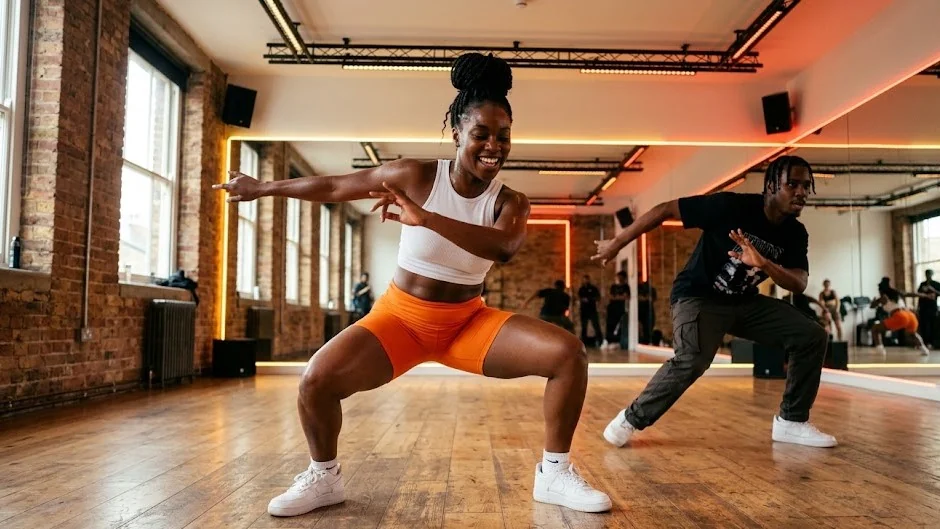
Afro dance is the umbrella term for dance rooted in African movement and music, from traditional forms to the club styles of today. It is grounded and rhythmic: bent knees, active feet, and hips, ribcage and shoulders moving independently to percussion-heavy music.
The umbrella covers several distinct strands. Afrobeats moves come from Nigeria and Ghana; amapiano, the South African house sound, has its own fast footwork; Coupé-Décalé grew out of the Ivorian diaspora; and Afro fusion mixes these with contemporary, hip hop and dancehall. Traditional West African dance, usually taught with live drumming, sits at the heritage end.
When people search for African dance classes, they usually mean one of these strands, so it is worth reading each class description to see which one is on offer.
Afro dance is the wider umbrella, while Afrobeats is one contemporary style inside it. If you want today's Nigerian and Ghanaian pop moves, choose Afrobeats; if you want a broader introduction to African movement, choose Afro dance.
Use the map below to find studios near you, or filter by area and audience to jump straight to our curated list of the best-rated Afro Fusion / Afro Dance studios in London further down the page.
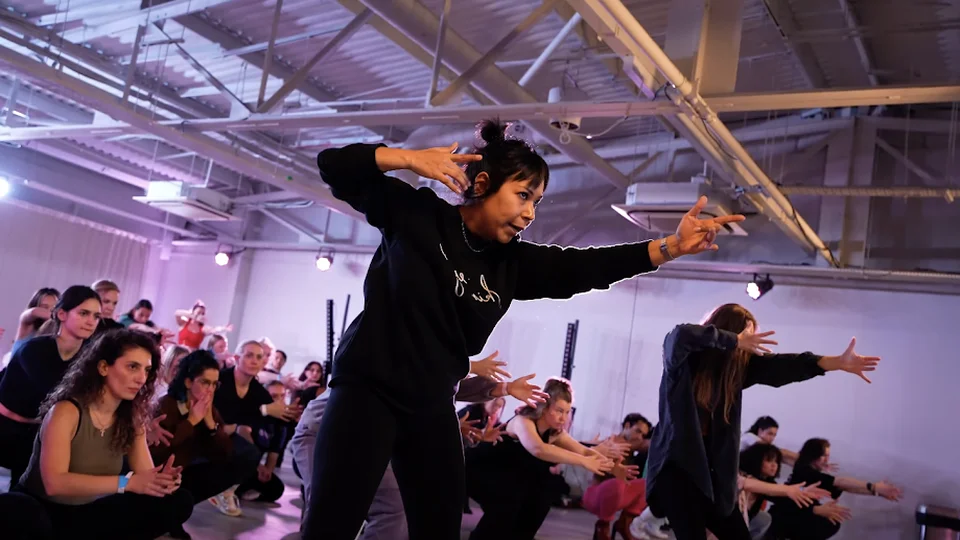
Afro Dance, Hip Hop, K Pop & 18 more styles
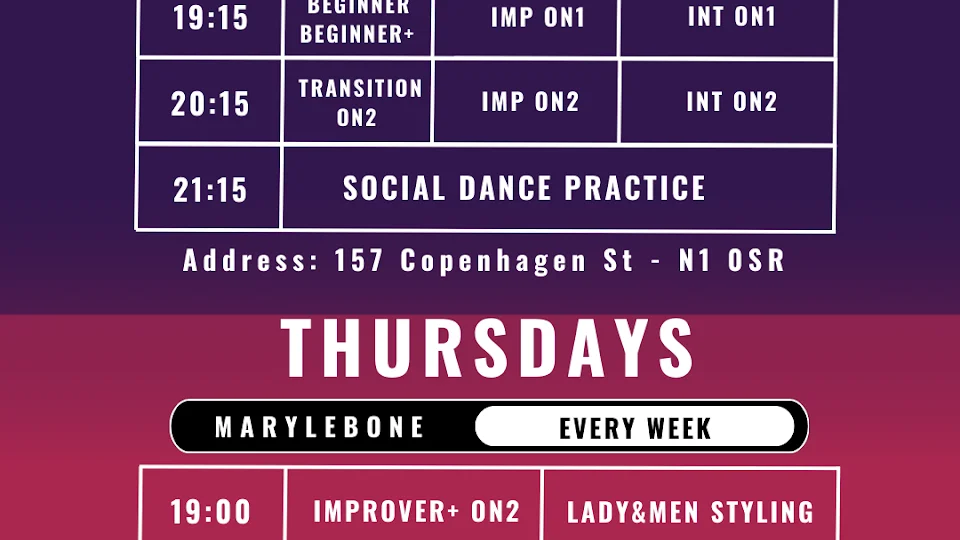
Afro Dance, Salsa, Cha Cha & 2 more styles
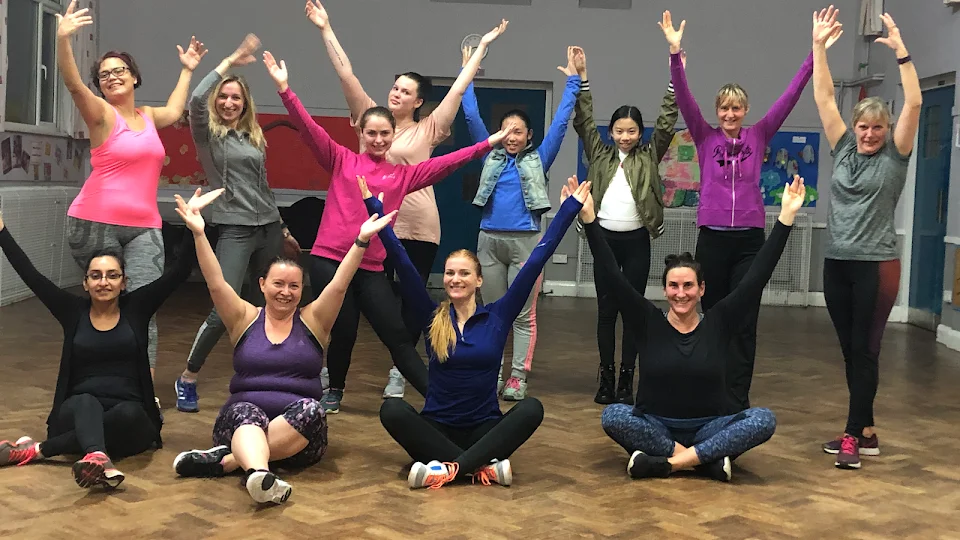
Afro Dance, Salsa, Hip Hop & 4 more styles
 Trial Available
Afro Dance, Afrobeats
Afro Dance
 Trial Available
Afro Dance, Hip Hop, Commercial & 5 more styles
Bent-knee footwork and continuous full-body movement raise the heart rate quickly, and a session is closer to an energetic social than to a gym circuit.
Moving the hips, ribcage and shoulders separately against a steady foot rhythm builds coordination that carries into every other style.
Working low and grounded strengthens the thighs, glutes and core while keeping the hips mobile, with far less impact than jumping-based cardio.
Layered percussion teaches you to hear several rhythms at once and place movement against them, a skill dancers of any style value.
Good teachers explain where each move and rhythm comes from, so you learn the story and the culture as well as the steps.
Many classes are run by community groups and teachers from the African and Caribbean diaspora, so they tend to be welcoming and social.
Most classes teach the basic grounded step first and build up gradually. Studios such as Step In2 Afro describe their weekly classes as open to all levels.
The constant rhythm and full-body movement suit anyone who wants cardio without a gym routine.
Hip hop, commercial, contemporary and dancehall dancers add Afro vocabulary to widen their range and groove.
Some community groups, such as Kiduku Rhythms in Greenwich, welcome all ages and abilities in the same programme.
If you already listen to Afrobeats, amapiano or Afro house, classes turn that taste into movement.
Classes that include traditional rhythms and live drums are a direct way to learn about African musical culture.
London's African and Caribbean communities have made it one of the most active places in Europe for Afro dance, with classes in community halls, dance studios and cultural venues.
In our directory, Afro-focused classes are concentrated in two areas. In Greenwich, Kiduku Rhythms CIC teaches Afro dance, Afrobeats and Afro fusion from St Mark's Hall in Plumstead, including the Kiduku style from Tanzania, for all ages. In Islington, Step In2 Afro runs weekly Afro fusion classes with private sessions and online options.
Larger venues also list Afro styles among many others: The Manor LDN in Finsbury Park, and, for the Afrobeats side, Pineapple Dance Studios in Covent Garden and The Africa Centre in Southwark.
Afro dance classes in London are usually a weekly one-hour session: a warm-up that builds the basic grounded step, a short technique section on isolations and footwork, and a routine to finish. Many studios offer drop-in places as well as blocks of classes.
Beyond the weekly class, look for private sessions, short training programmes and workshops, which some teachers run both in person and online. Traditional African dance classes with live drumming are taught by specialist groups and often run as courses.
Wear clothes that let your hips and knees move freely, such as leggings or joggers and a t-shirt. Trainers with a flat, grippy sole suit the footwork; some traditional classes are taught barefoot, so check with the teacher.
Bring water and a small towel, because classes keep moving. There is no dress code beyond comfort.
Next Step
Explore our curated guide to London's best dance studios — filtered by style, area and level.
Browse Dance Studios in London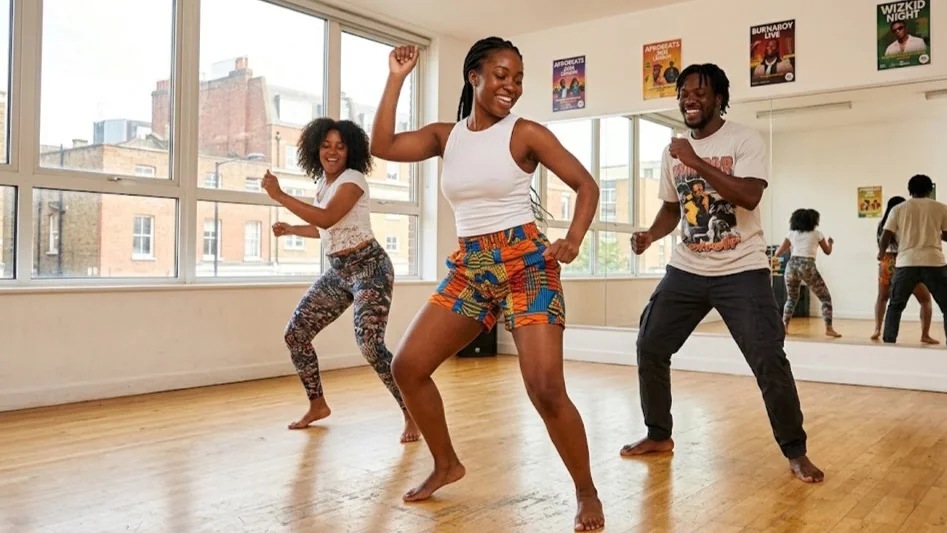 Afrobeats
  Dancehall
  Hip Hop
  Street Dance