Spanish Drama
Paso Doble
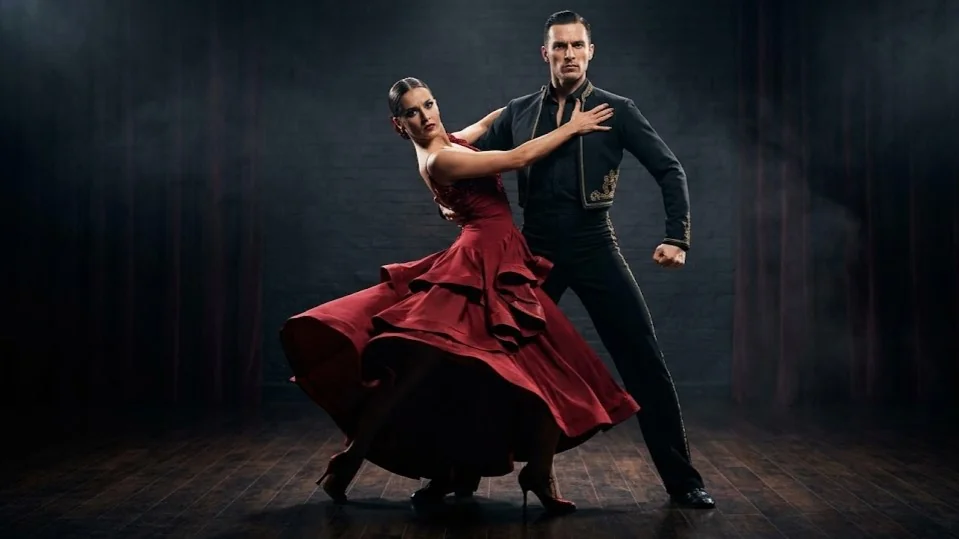
Paso Doble is the most theatrical of the Latin ballroom dances — a dramatic style built on the imagery of a Spanish bullfight, danced with a proud, powerful posture unlike any other dance in the Latin programme.
Paso Doble is the most theatrical of the Latin ballroom dances — a dramatic style built on the imagery of a Spanish bullfight, danced with a proud, powerful posture unlike any other dance in the Latin programme.
Paso Doble's roots are debated but usually traced to a French or Spanish military march ("paso redoble") — it was developed into a competitive ballroom dance in the south of France around 1910 and became a formal part of international Latin competition from 1945 onward.
The lead dancer represents the matador while the follower represents the cape — and, in some figures, the shadow of the bull, the torero himself, or a flamenco dancer. It is performed to march-style music with a strong, proud posture and dramatic characterisation throughout.
Mechanically, it is the odd one out among the five Latin dances: paso doble travels around the room along the line of dance rather than being danced on the spot, and — unlike rumba, cha-cha and samba — it uses no Cuban hip motion at all, relying instead on posture, staccato accents and sheer presence.
Paso doble borrows heavily from Spanish imagery — bullfighting, the cape, even a flamenco dancer figure in some choreography — which leads some people to assume it is a flamenco-derived style. It isn't: the two have almost no technical relationship.
Use the map below to find studios near you, or filter by area and audience to jump straight to our curated list of the best-rated Paso Doble studios in London further down the page.
 Trial Available
Paso Doble, Ballroom, Latin Dance & 16 more styles
Paso Doble, Ballroom, Waltz & 18 more styles
 Trial Available
Paso Doble, Ballroom, Latin Dance & 11 more styles
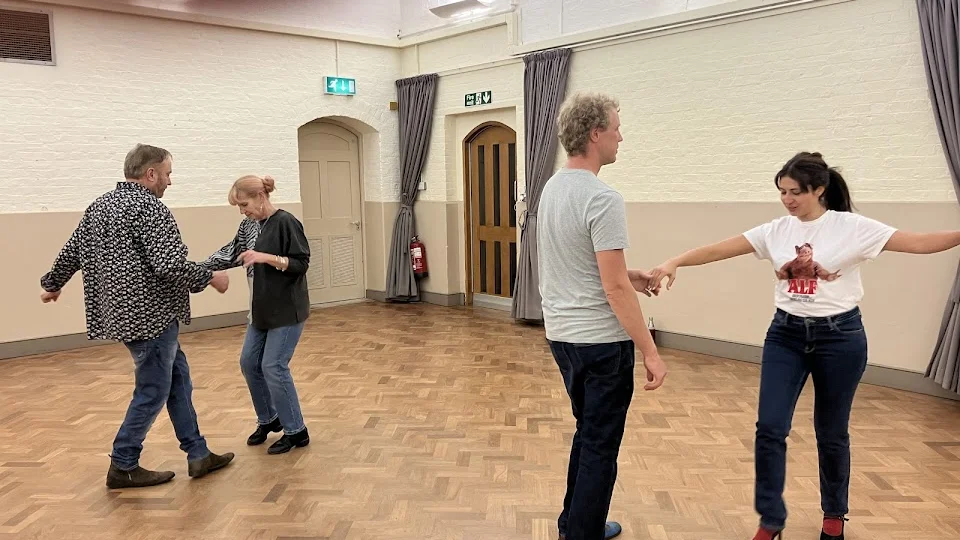
Paso Doble, Ballroom, Zumba & 13 more styles
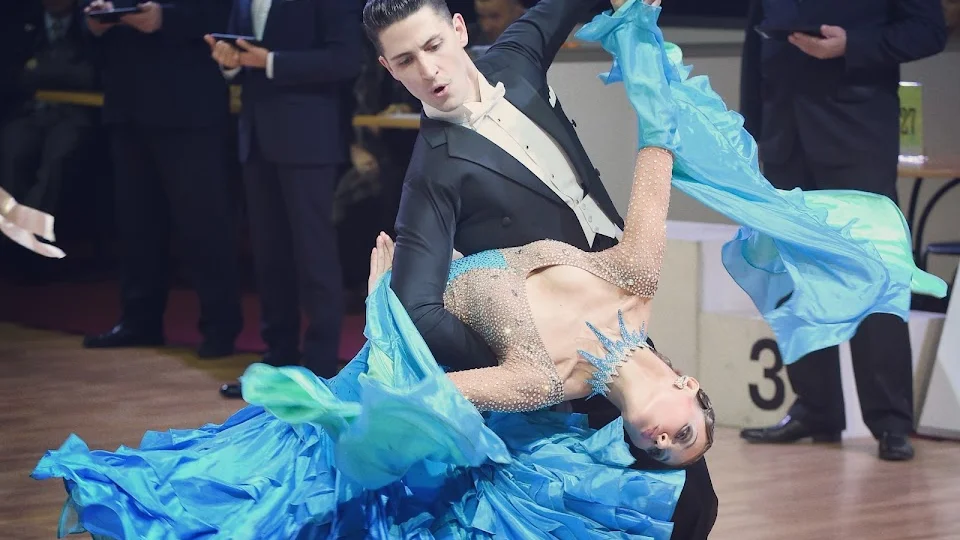 Trial Available
Paso Doble, Ballroom, Waltz & 8 more styles
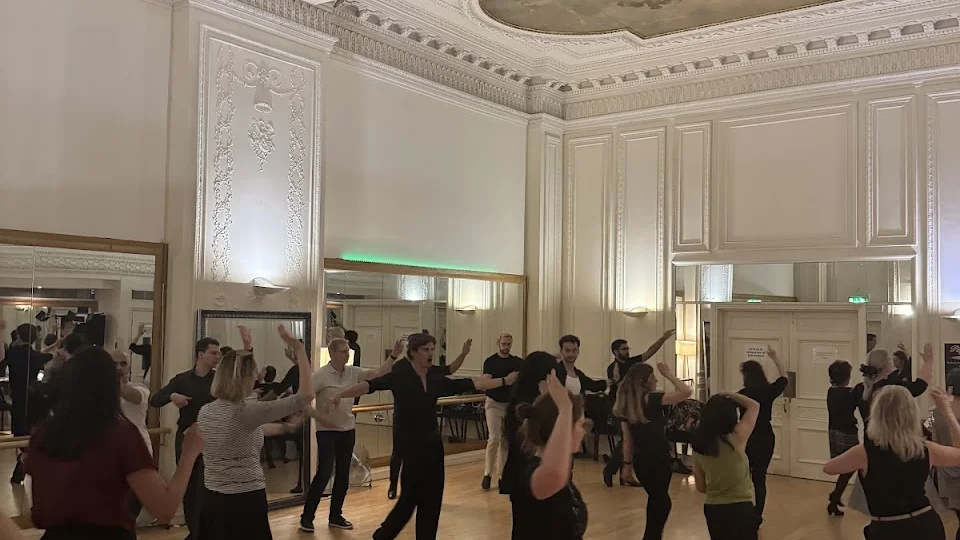
Paso Doble, Ballroom, Waltz & 10 more styles
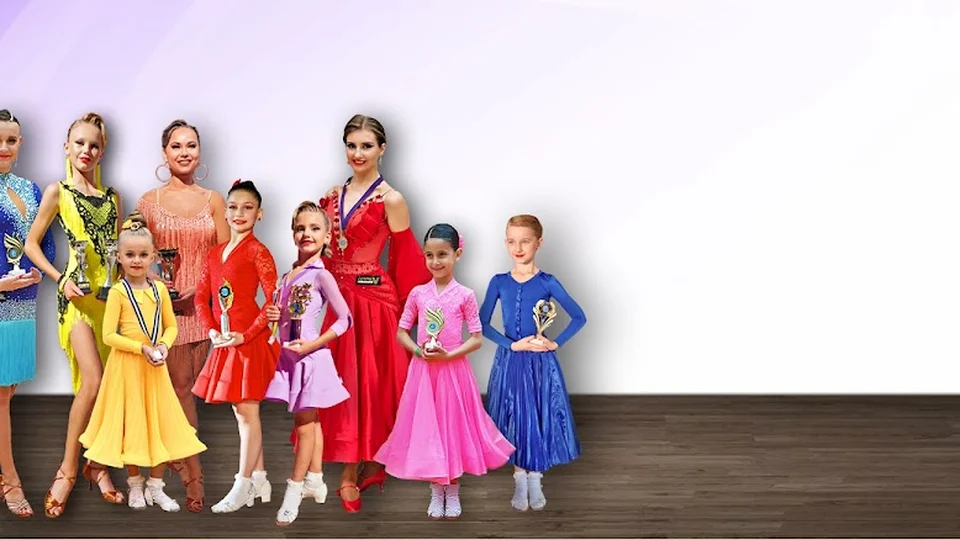
Paso Doble, Ballroom, Latin Dance & 9 more styles
Paso doble demands full theatrical commitment from the first steps — few dances build stage presence and performance confidence as directly.
The proud, upright frame held throughout paso doble builds real postural strength and presence, distinct from the hip-driven technique of the other Latin dances.
Dancing to march-style music with sustained dramatic intent trains a different, more theatrical kind of musicality than the rhythmic Latin dances.
As the most visually striking of the Latin dances, paso doble rewards commitment to character and story — a genuinely different skill from technical precision alone.
Sustaining dramatic characterisation while executing precise, march-timed steps builds a specific kind of focus and control.
The sustained powerful posture and travelling steps give a genuinely different physical workout from the hip-driven Latin dances — more about strength and presence than speed.
Paso doble is rarely a first Latin dance — most students add it once they have some grounding in rumba or cha-cha, as a dramatic change of pace.
Adult students often add paso doble to their Latin training specifically for its theatrical character, distinct from the rest of the programme.
For dancers who enjoy storytelling and character work as much as technique, paso doble is the most reliably dramatic dance in the Latin syllabus.
Paso doble is one of the five official Latin dances, making it essential training for anyone pursuing competitive Latin ballroom.
Dancers who enjoy performance and drama tend to take to paso doble's demands faster than the more technically hip-driven Latin dances.
The sustained powerful posture and travelling steps give a distinctive strength-and-presence workout, different from the hip-driven cardio of rumba or cha-cha.
Paso Doble is taught at ballroom studios across London as part of the International Latin programme. It is particularly popular among competitive dancers who enjoy its dramatic choreographic possibilities.
Zoltan's Ballroom and Latin, led by former Hungarian formation-team champion Zoltan Szalontay, includes paso doble within its full ten-dance Standard and Latin programme. Flow Dance Nine Elms teaches it alongside its Pro-Am squad training for national and international competition. Wimbledon School of Freestyle, Ballroom and Fitness, led by IDTA-qualified teacher Paul Sandwell — trained across contemporary, ballet, tap, jazz and musical theatre as well as ballroom — teaches paso doble as part of its adult Latin programme across several South West London locations, two with wheelchair access.
Paso Doble classes in London are available at ballroom studios offering Latin dance training. Beginners are introduced to the characteristic posture, march-like steps and dramatic expressions before advancing to complex figures.
The style rewards confidence, strong character and a flair for theatrical performance.
Fitted, comfortable clothing that allows a strong, upright posture works best in class — a fitted top and trousers or a flowing skirt for women, echoing the cape imagery. Latin dance shoes with a suede sole are recommended once training regularly, for the same pivoting control needed in the other Latin dances.
For competition or exhibition, paso doble costume is often the most dramatic of the Latin dances — flowing "cape" skirts and sharply tailored jackets are common, though everyday class only requires standard practice wear.
Next Step
Explore our curated guide to London's best dance studios — filtered by style, area and level.
Browse Dance Studios in London Rumba
Rumba  Cha Cha
  Jive
Jive 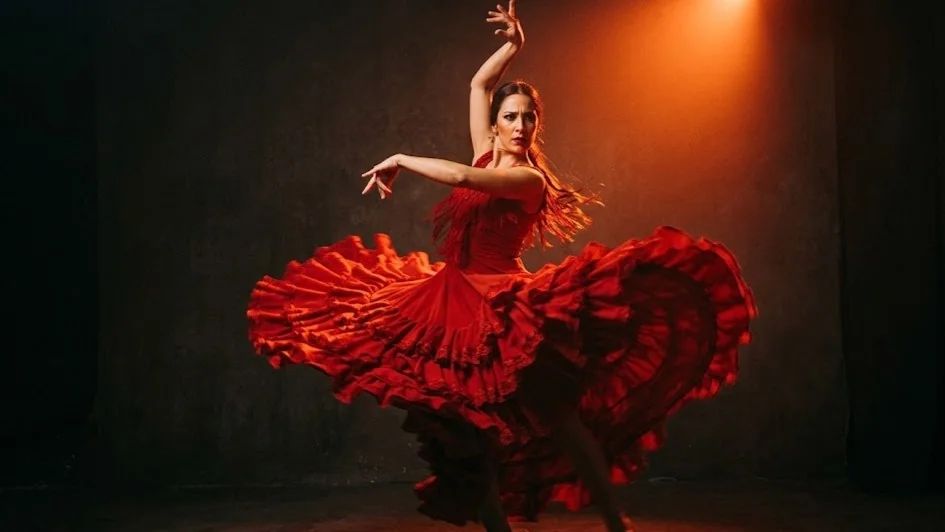 Flamenco